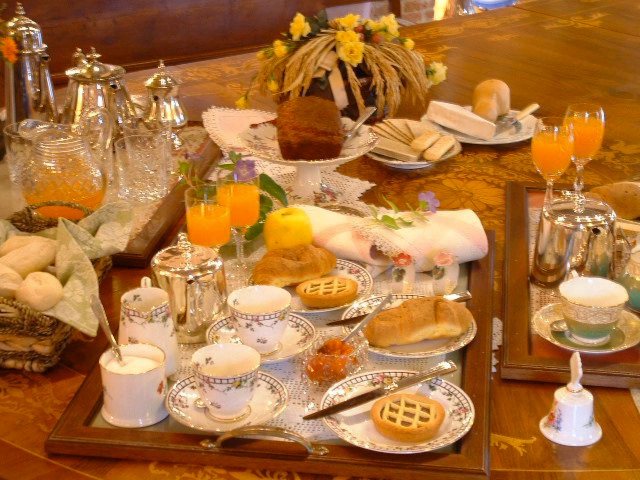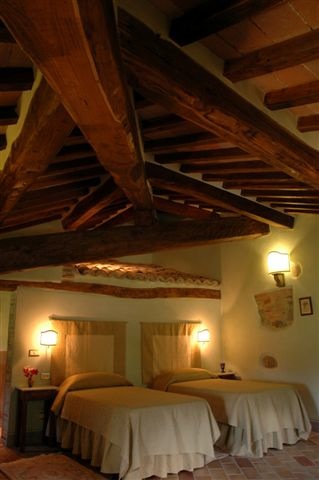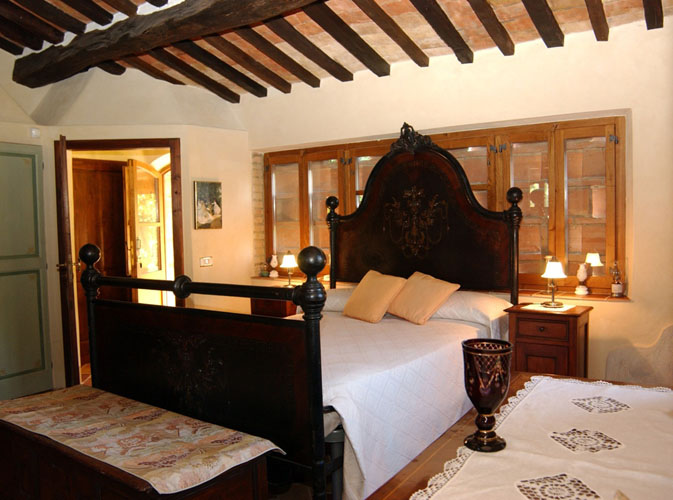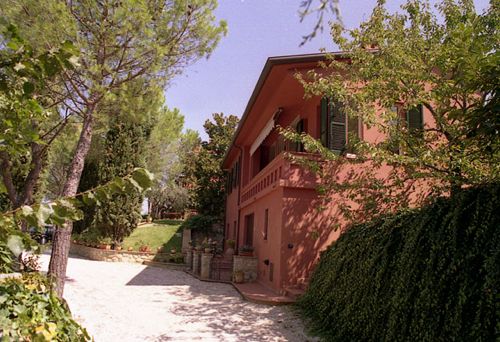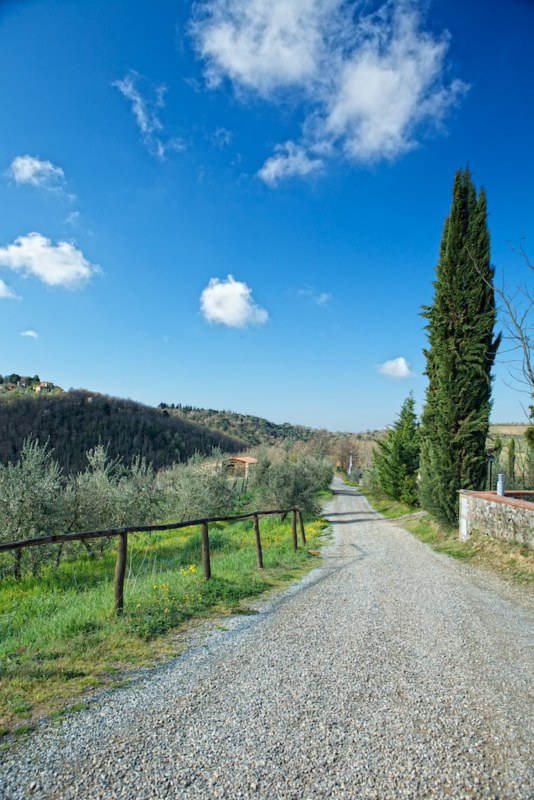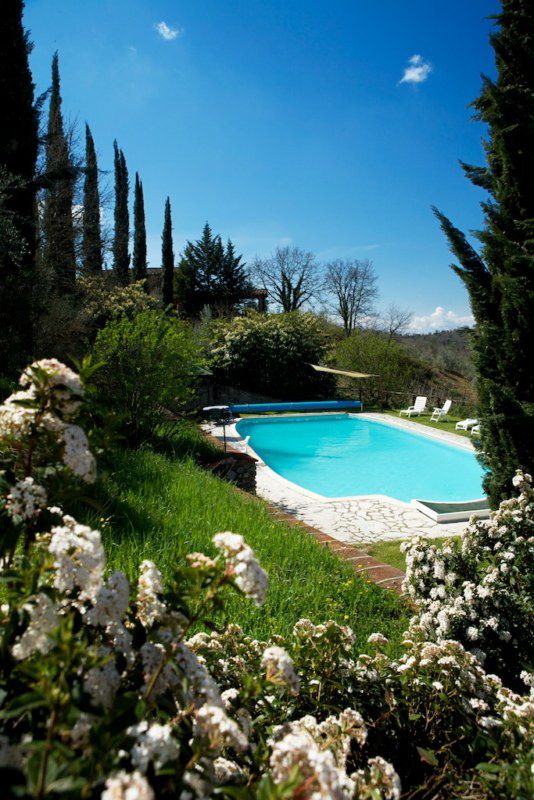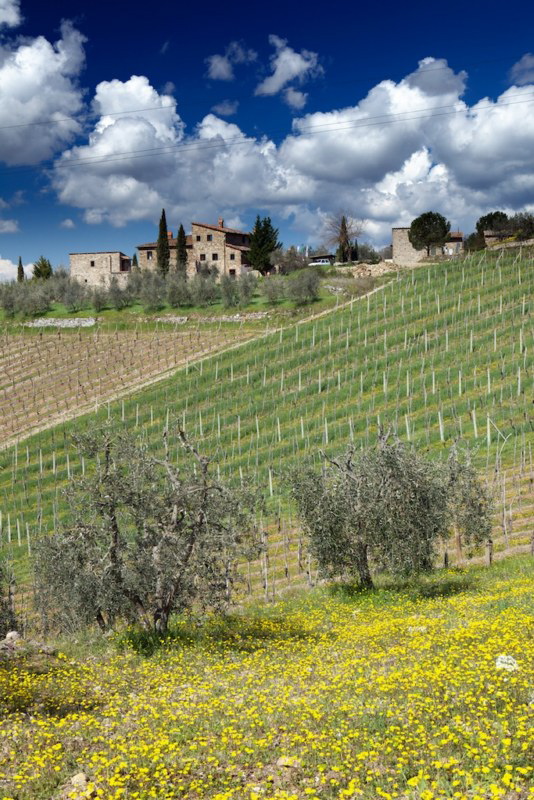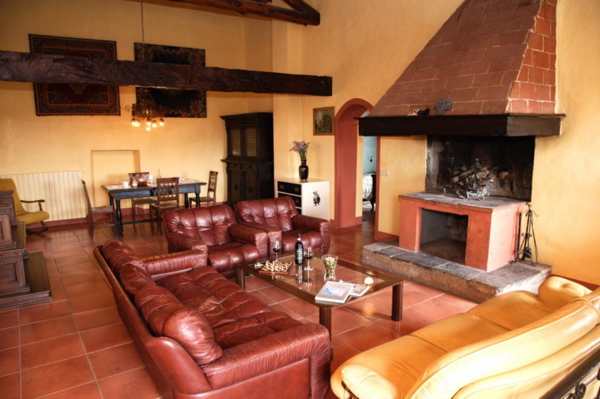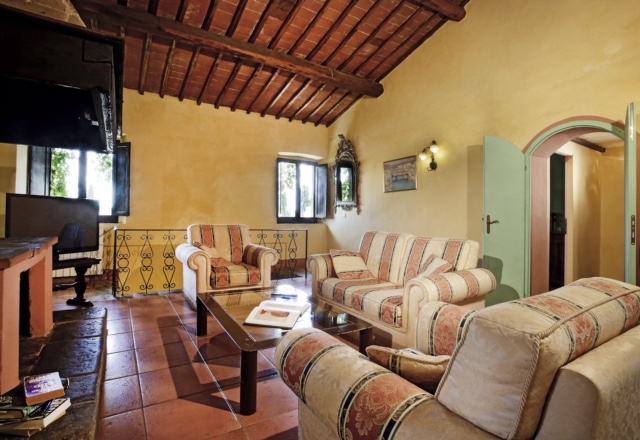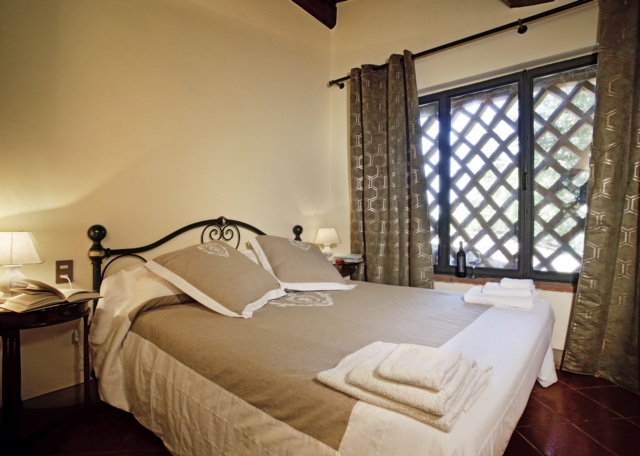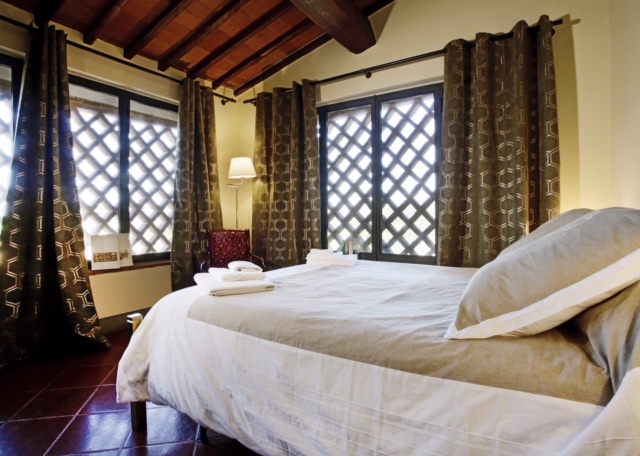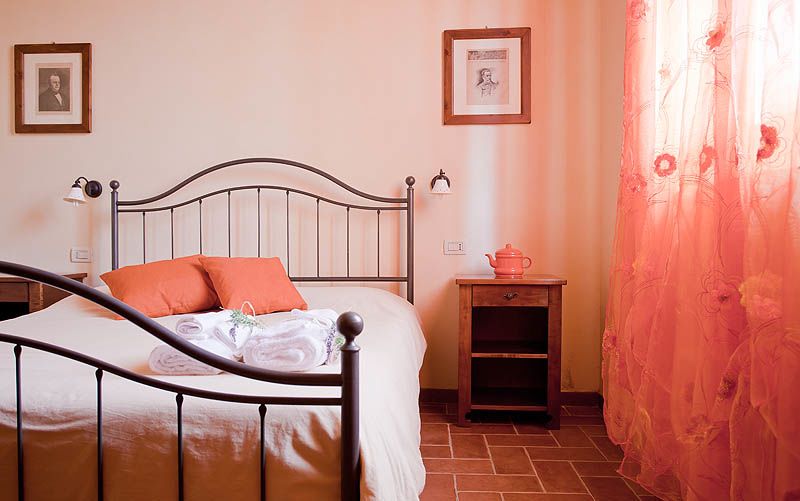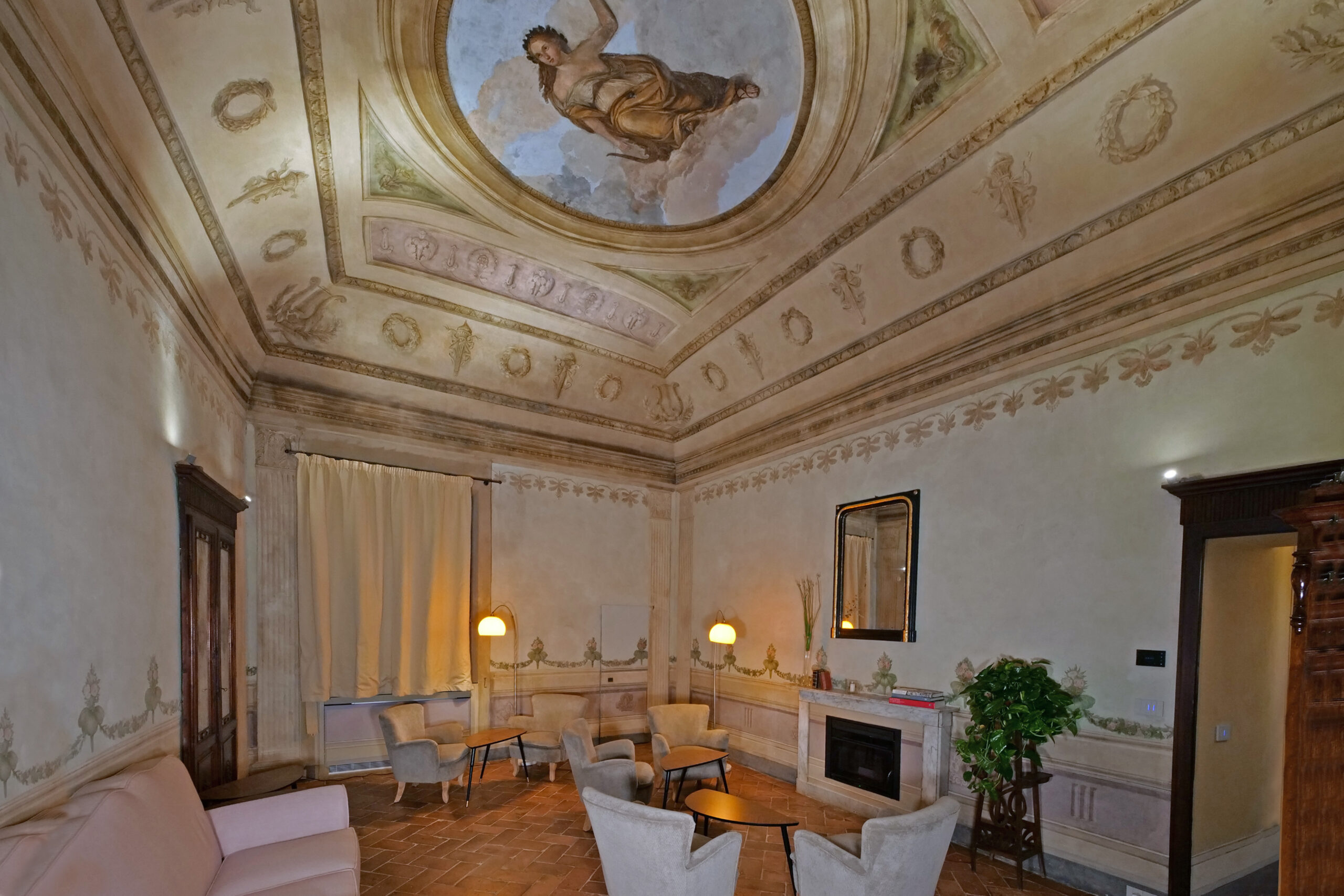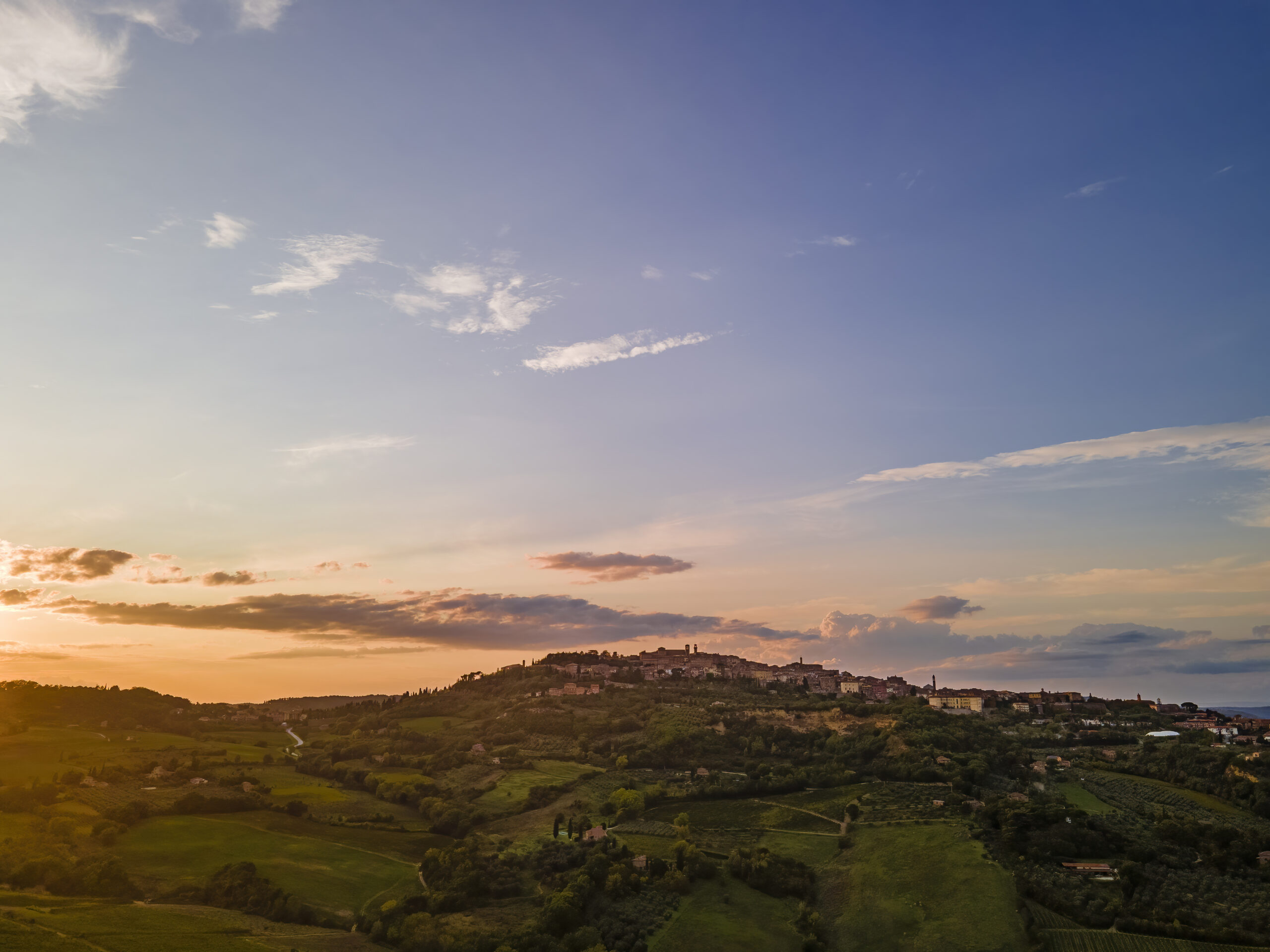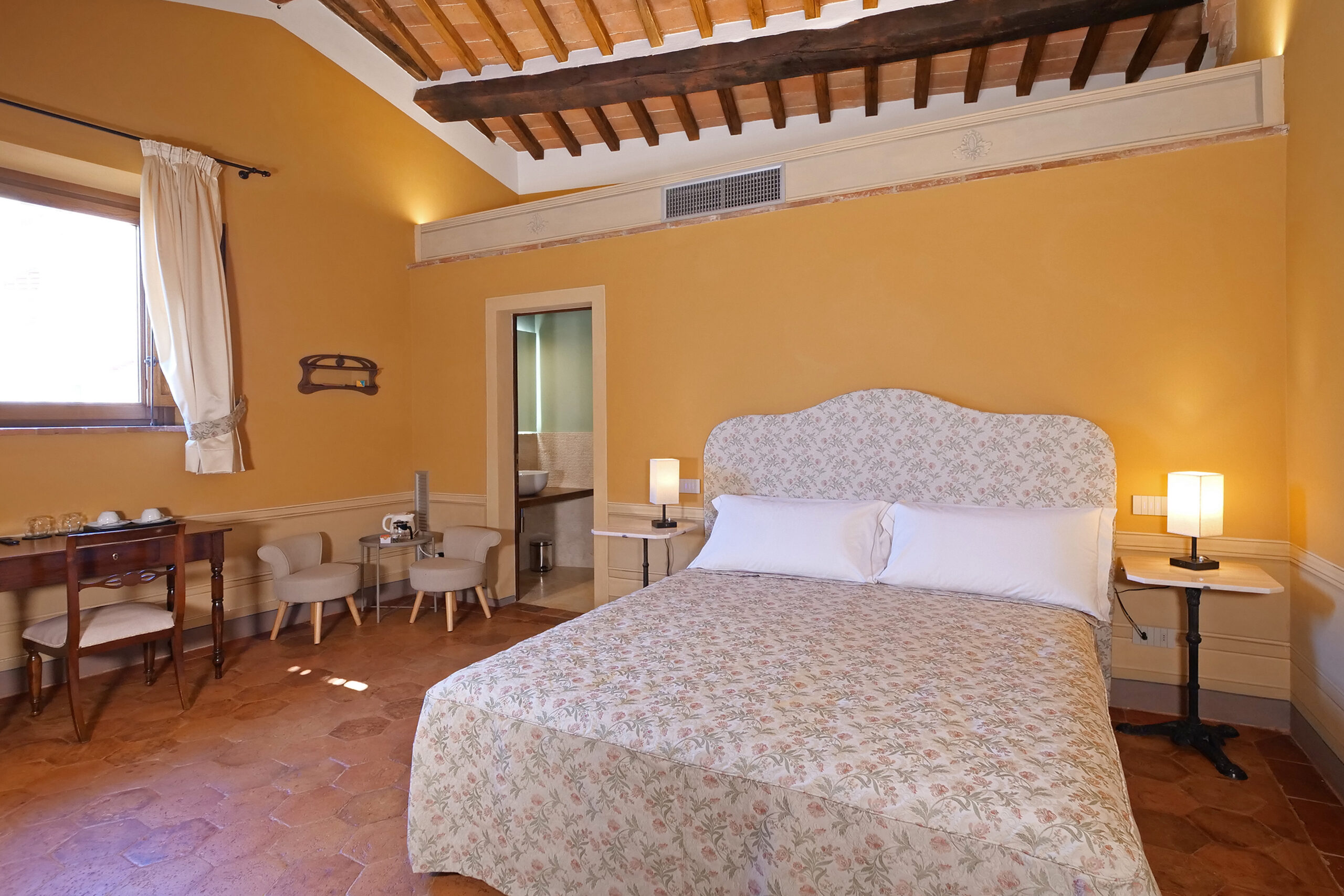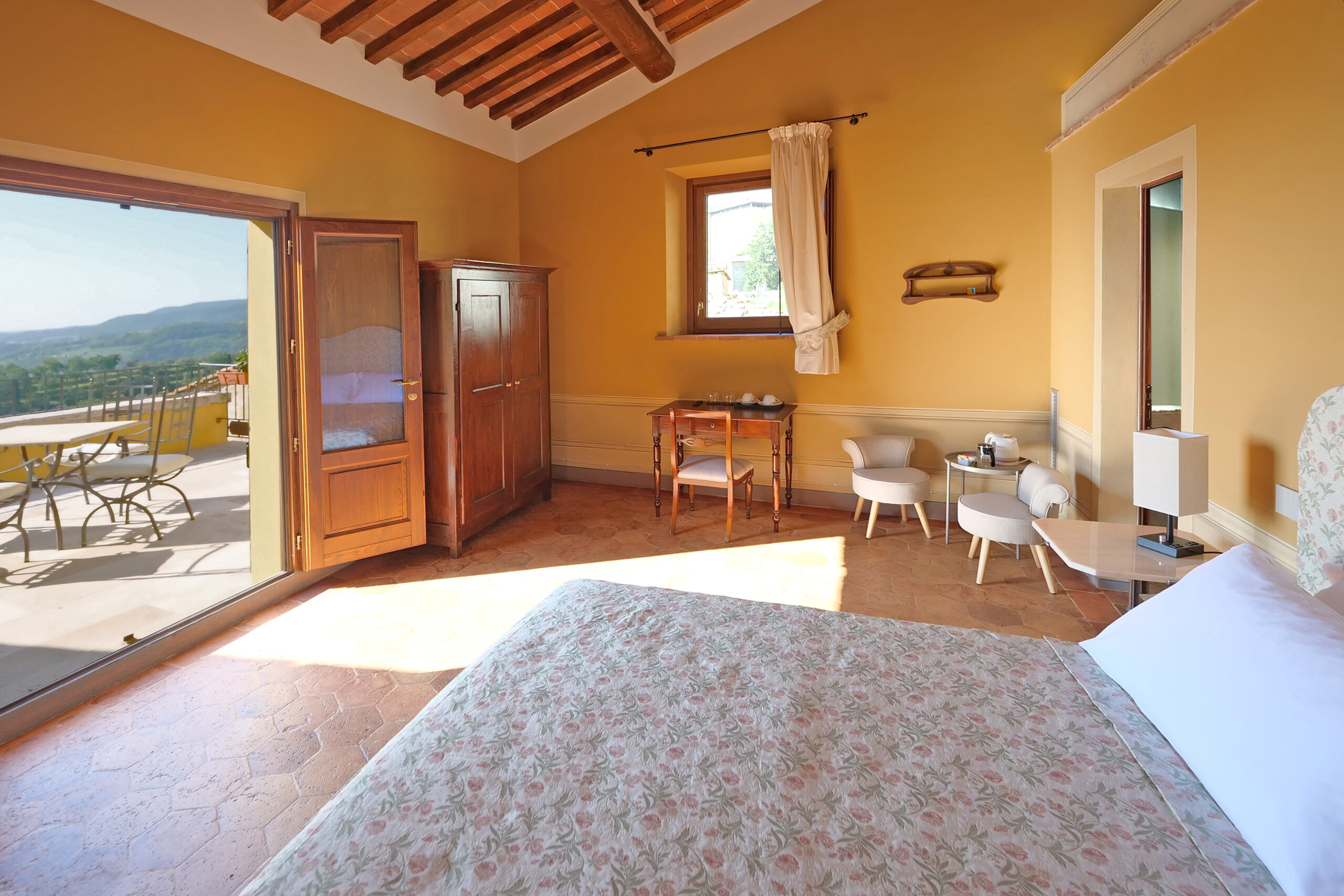

The Marches

Like many other regions, Marche’s geography has resulted in two principal different types of cuisine. Along its Adriatic coasts, fish of course, rules supreme, and is often to be found cooked as fish soup, brodetto, a dish which has as many variations as there are towns that cook it. Inland, you can find pork, rabbit and lamb, and the area’s truffles and cheeses are also excellent. Local pastas include vincisgrassi and passatelli, and the deep fried stuffed olives from Ascoli are a real treat.

Traditional dishes:

Olive all’Ascolana: Stuffed Fried Olives

Ingredients

  • 1 kg of large green olives in brine
  • 150 g ground pork meat
  • 75 g prosciutto crudo, finely chopped
  • 4 tbsp grated Parmesan cheese
  • Freshly grated nutmeg
  • 100 g breadcrumbs
  • 2 tbsp tomato sauce
  • 4 eggs
  • 50 g flour
  • Olive oil
  • Salt
  • Pepper

Instructions

  • Rinse the olives and remove the stone, trying not to break up the flesh.
  • Heat a drizzling of olive oil in a pan and brown the ground pork, stirring often to break it up and brown all over.
  • Season with salt and pepper.
  • Place pork in a bowl and mix with the chopped prosciutto, Parmesan, a grating of nutmeg, 1 tablespoon of breadcrumbs, 2 tablespoons of tomato sauce, salt, pepper and two of the eggs to help bind the mixture.
  • Mix well and use to stuff the olives.
  • Beat the two remaining eggs with a little salt and pepper.
  • Roll the stuffed olives in a little flour, then in the beaten egg, and finally in the remaining breadcrumbs.
  • Heat the olive oil in a deep frying pan and fry the olives until golden brown all over.
  • Remove with a slotted spoon and allow to drain on kitchen paper.
  • Serve immediately, arranged in a pyramid shape on a pretty serving dish.

Number of servings (yield): 4

Brodetto: Fish Soup

This particular brodetto is from Le Marche, but there are as many different versions as there are towns.

Ingredients

  • 500 g cuttlefish
  • 1 ½ kg mixed fish (red mullet, sole, cod, monkfish, scorpion fish, scampi)
  • Olive oil, chopped
  • Small onion, finely chopped
  • Fish stock, hot
  • Few stands of saffron
  • Small glass of water
  • Small glass of white wine
  • 75 g flour
  • Salt
  • Pepper
  • 8 small slices toasted stale bread, lightly rubbed with garlic

Instructions

  • Clean and de-bone the cuttlefish and cut it into pieces.
  • Clean the other fish and cut into chunks.
  • Roll chunks of fish in the flour, shaking gently to remove excess, and place to the side.
  • Heat a good drizzling of olive oil in a large pan, and sweat the onion until it is transparent then toss in the chopped cuttlefish.
  • Cook for a few minutes over a low heat until cuttlefish begins to color, then pour in enough hot fish stock to cover, add the saffron, cover and leave to simmer away gently for about 5-10 minutes.
  • Remove cuttlefish from broth.
  • In a second large pan arrange the floured fish and the cuttlefish pieces in layers, being careful to ensure that the most tender fish are at the top.
  • Pour over the hot cuttlefish broth from the other pan, add the water and wine, season with salt and pepper and bring to a lively simmer.
  • Cook this way for 15 – 20 minutes then carry pan to the table to serve.
  • Place two small slices of toasted bread in each bowl, cover with a serving of fish and pour over the broth.
  • Eat immediately.

Number of servings (yield): 4

Passatelli di Urbino: Bread Pasta

Ingredients

  • 200 g spinach
  • 300 g beef fillet, diced
  • 75 g grated Parmesan cheese, plus extra for serving
  • 3 tbsp butter
  • 2 eggs, plus 2 yolks
  • Freshly grated nutmeg
  • 75 g breadcrumbs
  • 1 liter of meat broth

Instructions

  • Trim and rinse spinach and cook it without adding any extra liquid.
  • Once cooked, squeeze dry.
  • In a food processor, whiz together the spinach, beef, Parmesan, butter, eggs, abundant nutmeg and a good pinch of salt.
  • Stir in the breadcrumbs to form a thick paste.
  • Using a pasta machine if you have one, or rolling out by hand, create lots of very thick spaghetti shapes, and place on some oiled, greaseproof paper.
  • Bring the meat broth to the boil and cook the passatelli.
  • As soon as they float to the surface, they are ready.
  • Drain, and serve immediately with some grated Parmesan cheese.

Number of servings (yield): 4

Coniglio in Porchetta: Stuffed Rabbit

Ingredients

  • 1 large rabbit (with liver etc.)
  • Vinegar
  • Bunch wild fennel fronds
  • 50 g pancetta
  • 200 g ground veal or pork
  • 75 g salami
  • 100 g sausage meat
  • 2 cloves garlic
  • 1 egg
  • 25 g lard
  • Extra-virgin olive oil
  • Salt
  • Pepper
  • ½ glass of dry white wine, mixed with an equal quantity of water

Instructions

  • Wash the rabbit with a mix of water and vinegar.
  • Bring a large pan of water to the boil and blanche rabbit in it briefly, about 1 minute.
  • Drain and place rabbit on a clean tea towel to dry off.
  • Quickly blanch the fennel in the same water, and the rabbit liver also.
  • Pat dry.
  • Place the fennel, pancetta, ground veal, salami, sausage meat, and the garlic in a food processor and whiz together.
  • Place mixture in a bowl and work in the egg, 2 tablespoons olive oil, and season with salt and pepper.
  • Stuff the inside of the rabbit with the filling and secure with kitchen string.
  • Place in a large ovenproof dish, spread the upper side of the rabbit with the lard and season with salt and pepper.
  • Pour wine and water mix around rabbit.
  • Cook rabbit in an oven preheated to 360ºF for about 1 ½ hours or until meat is tender, adding a little white wine or water if necessary, to stop it drying out.
  • Before serving, remove string, cut rabbit into pieces and accompany with slices of stuffing.

Number of servings (yield): 4-6
Lombardia

Stretching from the province of Sondrio in the north to Mantova in the south, Lombardia is the most populated region in Italy. Given its size, its cuisine is varied but always tends to reflect its peasant roots. Dishes are simple but delicious and include hearty specialties such as polenta, ossobucca and cassoeula along with favorites like risotto and fried breaded veal cutlets. The region has some fine cheeses – gorgonzola, crescenza, taleggio and mascarpone – and the shores of Lake Garda produce some wonderful olive oil. This is also the region that provides us with our much loved Christmas cake, panetone.

Traditional dishes:

Cotolette alla Milanese: Veal Cutlets, Milanese Style

Ingredients

  • 4 veal chops on the bone
  • 50 g flour
  • 1 egg
  • 75 g breadcrumbs
  • 75 g unsalted butter
  • Salt
  • Pepper
  • 1 lemon, quartered

Instructions

  • Flatten the chops slightly with a meat mallet and season with a little salt and pepper.
  • Dip chops into the flour, then into the beaten egg and finally into the breadcrumbs.
  • Heat the butter in a large frying pan and cook the chops until golden brown all over, approx. 6 minutes either side.
  • Serve immediately, a lemon quarter next to each breaded chop.

Number of servings (yield): 4

Cassoeula: Rich Pork Casserole

Ingredients

  • 1 small onion
  • 3 carrots
  • 1 rib of celery
  • 1 large savoy cabbage
  • 50 g butter
  • 500 g pork chops
  • 100 g pig skin, chopped
  • 1 pig’s trotter, halved, cooked in boiling water for ½ hr
  • Pork ears, tail, cheek etc as available
  • 1 ladleful meat broth
  • 2 tbsp tomato concentrate
  • 4 small pork sausages, cut into pieces

Instructions

  • Slice the onion and roughly chop carrots and celery and discard larger tougher cabbage leaves.
  • Chop cabbage into pieces.
  • Heat the butter in a large pan and fry onions.
  • Add the pork chops, the skin, the pig’s trotter (previously boiled), the ears, tail, cheek, carrots and celery and cook together for 5 – 10 minutes.
  • Add the meat broth and tomato concentrate and season with salt and pepper.
  • Cover and cook over a low heat for about two hours, adding a little hot water if necessary.
  • Add the chopped sausages along with the chopped cabbage and cook for a further 30 minutes.
  • Serve immediately and accompany with some polenta.

Number of servings (yield): 4

Risotto alla Milanese: Risotto Milanese Style

Ingredients

  • 400 g Carnaroli rice
  • 75 g butter
  • 50 g beef-marrow, or finely chopped pancetta
  • ½ onion, finely chopped
  • 1.5 liters meat broth, kept very hot
  • 1/3 teaspoon powdered saffron
  • 60 g grated Parmesan or Grana
  • Salt
  • Freshly ground black pepper

Instructions

  • Melt 50 g of the butter in a thick bottomed pan then add the beef-marrow (or pancetta) and the onion.
  • Sauté until onion is transparent.
  • Add the rice and stir well until rice is coated with oil and is translucent.
  • Add the broth, a ladleful at a time, waiting until the broth has been absorbed before adding any more.
  • After about 10 minutes, add the saffron dissolved in a little hot broth then continue cooking.
  • When rice is cooked al dente and the risotto is nice and creamy, taste and season with salt and pepper.
  • Remove from the heat, beat in the remaining butter and stir in the grated Parmesan cheese.
  • Leave to rest for a minute then serve.

Number of servings (yield): 4

Vitello Tonnato: Cold Sliced Veal

Ingredients

  • 1 kg boneless veal topside
  • 1 liter white wine
  • 1 carrot, roughly chopped
  • 1 onion, roughly chopped
  • 1 celery rib, roughly chopped
  • 2 cloves garlic
  • 1 bay leaf
  • Small bunch of parsley
  • 1 lemon
  • 150 g best quality tuna in oil
  • 25 pickled capers, plus a few extra for garnish
  • 250 g good quality mayonnaise
  • Salt
  • Freshly ground black pepper
  • 4 small anchovies under oil, drained

Instructions

  • Place the veal in a large terracotta casserole dish, pour in the wine and add just enough water to cover veal.
  • Throw in the carrot, onion, celery, the two cloves of garlic, bay leaf, most of the parsley, and the zest of the lemon.
  • Season with salt and pepper. Bring to the boil and simmer for about 1 ½ – 2 hours. Meanwhile, prepare the mayonnaise.
  • Place the tuna, capers, mayonnaise and a teaspoon of lemon juice in a mixer and whiz briefly a couple of times on ‘pulse’ to combine ingredients.
  • The sauce is ready.
  • When veal is ready, remove from heat and allow to cool in its liquid.
  • This keeps the meat moist.
  • When it has completely cooled, remove from the casserole dish and drain well before cutting into thin slices.
  • Arrange the slices veal on a serving plate, cover with the tuna mayonnaise and garnish with a little chopped parsley, the anchovies and a few extra capers.
  • Chill in the refrigerator for an hour before serving.

Number of servings (yield): 4-6
Polenta ai Quattro Formaggi: Polenta with Four Cheeses (actually five!)

Ingredients

  • 50 g gorgonzola
  • 50 g stracchino
  • 50 g pecorino
  • 50 g gruyère
  • 75 g grana
  • 500 g polenta flour
  • 2½ liters water
  • ½ glass milk
  • 1½ tsp salt

Instructions

  • Cut all the different cheeses into pieces and divide into two parts.
  • Bring the water and milk to the boil in a large pan and add salt.
  • Slowly pour in the polenta flour, stirring all the time to avoid lumps forming.
  • Cook over a low heat, still stirring, for about 40 minutes, or until polenta has cooked and thickened.
  • About half way through cooking, toss in one half of the cheese and proceed as normal.
  • Once cooked, pour the polenta into an oiled ovenproof dish, cover with the remaining cheese and cook in an oven preheated to 350ºF for about 15 minutes.
  • Serve immediately.

Liguria

Liguria is a beautiful strip of countryside that unites sea and mountains and whose cuisine is much appreciated for its simplicity and delicacy. Vegetables here are some of Italy’s best, as are the wild greens and herbs that are used for filling ravioli and producing the area’s famous pesto. Meat plays a less important role in Ligurian cuisine as, surprisingly, does fish, but rabbit is commonly found, normally made into coniglio alla ligure, and fish along the coast, as a tasty fish soup called ciuppin.

Traditional dishes:

Trofie al Pesto: Pasta with Pesto

Ingredients

  • For the trofie:
  • 350 g flour
  • Salt
  • For the pesto:
  • 30 fresh basil leaves, washed and patted dry
  • 200 ml extra-virgin olive oil
  • 3 cloves garlic
  • 30 g pine nuts
  • 50 g Parmesan cheese, grated

Instructions

  • To make the pasta, place the flour on a clean work surface and form it into a hillock shape, with a well in the middle.
  • Add a good pinch of salt and enough tepid water to obtain a pliable dough.
  • Pull very small pieces of the dough off and roll them with your thumb, one by one, along the work surface to form tiny twists of pasta.
  • Make the pesto by placing the fresh basil, the olive oil, garlic, pine nuts and a pinch of salt in a food processor and whiz briefly.
  • Add the grated parmesan and whiz again until you have a well mixed cream.
  • Cook the trofie in abundant boiling, salted water.
  • Drain as soon as they are cooked al dente, reserving a little of the pasta water.
  • Dress the trofie with the pesto, adding as much of the cooking water as necessary to obtain a creamy sauce.
  • Serve immediately.

Number of servings (yield): 4

Coniglio alla Ligure: Rabbit Ligurian Style

Ingredients

  • 1 rabbit, cut into small pieces
  • ½ onion, minced
  • 1 clove garlic, minced
  • 1 sprig each of rosemary, thyme, marjoram, sage, finely chopped
  • 50 g black olives
  • 30 g pine nuts
  • Chilli pepper
  • 1 glass dry white wine
  • Extra-virgin olive oil
  • Salt
  • Pepper

Instructions

  • Heat a good drizzling of olive oil in a large terracotta pot and toss in the chopped onion, garlic and herbs.
  • Stir them around for a couple of minutes then add the olives, the pine nuts and the pieces of rabbit.
  • Cook until the rabbit has begun to get a little color, turning often so it browns evenly.
  • Season with salt and pepper.
  • Pour in the wine, let it evaporate a little then add half a glass of water.
  • Cover and cook over a low heat until rabbit is tender, about 40 to 50 minutes.
  • Check seasoning and serve.

Number of servings (yield): 4

Pansooti con Preboggion: Stuffed Ligurian Pasta

Ingredients

  • For the pasta:
  • 400 g flour
  • Pinch of salt
  • 120 g water
  • 2 tsp white wine
  • For the filling:
  • 700 g baby chard and borage
  • 2 eggs
  • 50 g grated Parmesan cheese
  • 150 g ricotta
  • 1 clove garlic, minced
  • Salt
  • For the walnut sauce:
  • 500 g walnuts with shells
  • 50 g ricotta
  • 50 g extra-virgin olive oil
  • Salt
  • Slice of bread, soaked in milk
  • 50g butter for serving

Instructions

  • Rinse the baby chard and borage and cook it in its own water until tender (5 – 10 minutes).
  • Once cooked, squeeze out any extra moisture and chop finely.
  • Put the chopped chard and borage in a bowl, and mix with the eggs, grated Parmesan, ricotta and minced garlic and salt to taste.
  • Prepare the pasta by mixing the flour and salt with the water and white wine and work until you have a smooth pliable dough.
  • Roll out pasta either by hand or using a pasta machine until you have a very thin sheet of pasta.
  • Cut out a series of 6 cm squares.
  • Place a little ball of filling at the center of each piece of pasta and fold over one half of the pasta square to cover the filling and make a triangle shape.
  • Press well along the two edges with your fingers to ensure pasta doesn’t open while cooking.
  • Prepare the walnut sauce by shelling the walnuts and blanching them for a minute or two in boiling water.
  • Drain, then peel off the thin skin that covers the nuts.
  • Place the nuts in a food processor with ricotta and olive oil, a pinch of salt and the slice of soaked bread slightly squeezed of excess milk and whiz together.
  • Cook the pansooti in abundant salted boiling water and remove when they float to the top of the pan.
  • Drain, toss with the butter and mix gently with the walnut sauce.
  • Serve immediately.

Number of servings (yield): 4

Focaccia

Ingredients

  • 20 g fresh yeast
  • 400 g flour
  • 1 teaspoon fine salt
  • 75 ml Ligurian extra-virgin olive oil
  • 1 teaspoon sea salt

Instructions

  • Melt the yeast in a little tepid water.
  • Place the flour in a bowl and stir in the fine salt.
  • Pour in the oil and the yeast, and mixing quickly, add as much tepid water as you need to form a loose, smooth pliable dough.
  • Kneed for two minutes then place in a clean, oiled bowl, cover with a clean damp tea towel and leave until it has doubled in size, approx. 1 – 2 hours.
  • Punch the dough down and place it in a well oiled cookie sheet, pressing dough so it reaches into the corners.
  • Cover again, and leave to rise for about another hour or so.
  • Press your fingers all over the surface of the focaccia to form small indentations, drizzle over the remaining oil and sprinkle with the sea salt.
  • Bake in an oven preheated to 420ºF for about 20 minutes or until the surface is pale gold in color.
  • Serve immediately or re-heat in a warm oven before eating.

Number of servings (yield): 4

Latte Fritto: ‘Fried Milk’

Ingredients

  • 4 eggs, plus two egg yolks
  • 150 g sugar
  • Grated zest of 1 lemon
  • 1 liter whole fat milk
  • 150 g flour
  • 100 g breadcrumbs
  • Olive oil for frying
  • Icing sugar for decoration

Instructions

  • Beat together the four eggs, the sugar and the lemon zest until the mixture becomes pale and fluffy.
  • Slowly incorporate the flour and milk.
  • Cook this mixture over a very low heat for about 30 minutes, stirring continuously as you would polenta.
  • Pour this mixture into an oiled shallow tin, cover with tin foil and leave to cool overnight.
  • Cut resulting firm cream into diamond shapes.
  • In a bowl, beat the two egg yolks and, in a deep frying pan, heat the olive oil.
  • Dip the diamonds into the egg yolks and then into the breadcrumbs and fry in the hot oil until golden brown on all sides.
  • Remove from frying pan and place on some kitchen paper to absorb excess oil.
  • Dust with icing sugar and serve immediately.

Number of servings (yield): 4

September Newsletter 2011

Fresh Recipes, New Kitchen Ideas, Food News & Fun Things To Do In Sunny Italy

September is here, but here on the Amalfi Coast beach business is busy, café tables are full and cooking guests are still arriving as the season of fall begins its turn. Hand-woven baskets hang from the trees in our garden calling for workers hands to fill them with grapes, soon olives and then chestnuts. And although the basil is as big as ever, we know that the days are getting shorter. We are slow to kiss August away, but with it brings September, the ninth month in the Gregorian calendar year and with it are all the foods of the season.

The perfect recipe for September, A Roman Holiday with Chef Eugenio!
Learn autumn recipes in the Eternal City, click here. 

Lauren

Table Talk

September is a strange month, a dreamy month, a bittersweet time of endings and beginnings. Gone are the long, scorching, days of July and August, but here come perfect, late summer days, warm when the sun is high in the sky, but decidedly cooler when dusk arrives and the moon slips out from behind the mountainside. Soon all that wonderful summer produce will be gone too – zucchini, eggplant, peppers – and people seem convinced they need to eat as much of it as possible before it disappears for good, filling up at the market and transforming these fabulous fresh ingredients into zucchini alla scapece (fried then marinated in a mixture of garlic, mint and vinegar), stuffed zucchini and eggplant boats, eggplant (or zucchini) parmesan, mixed baked peppers with olives and capers or a velvety orange mixed pepper sauce to add to risottos.

September also marks the beginning of harvest time, which means you’re pretty much guaranteed to find food festivals and sagras all over the country celebrating an abundance of local produce. From mushrooms, tomatoes and sweetcorn to nuts, peppers and frogs (that’s right – frogs), each festival has its protagonist and each sagra represents the perfect way to spend an evening in the company of locals, wandering round Italy’s towns and villages and sampling its local cuisine. And this is where you discover just how much difference there really is between the food from one area and that from another, each equally delicious, but often worlds apart. But just in case the enticement of a never-ending series of food festivals isn’t enough to prompt you to travel (and what better excuse could there be?), there are plenty of other events to tempt you, like the Regatta on Venice’s Grand Canal, Asti’s Palio and the intriguing Feast of San Gennaro, the patron saint of Naples, where each 19th September, crowds gather outside the city’s Duomo to see if the much hoped for miracle of the liquefying of the blood of San Gennaro has taken place, meaning the city is in safe hands, and will be protected for another year. Fingers crossed!

Garden To Table Recipes

Cavolfiore Alla Romana ~ Cauliflower Roman-Style

Ingredients

  • 1 head cauliflower
  • 3/4 cup fine breadcrumbs
  • 1 teaspoon of grated Parmesan cheese
  • 1/2 teaspoon of salt
  • 1/4 teaspoon pepper
  • 2 eggs slightly beaten
  • 1/4 cup milk
  • 1/4 cup olive oi

Instructions

  • Preheat oven to 375º F.
  • Prepare cauliflower by breaking into small pieces and cook in salted boiling water until half done (about 5 minutes).
  • Mix eggs, cheese, salt, pepper and milk together.
  • Roll each floret in batter and then dip in breadcrumbs.
  • Place on well-greased cookie sheet and drizzle oil over the top.
  • Bake for 30 to 35 minutes or until golden brown, toss flower over to brown all sides.


Pasta Con Le Noci ~ Pasta & Walnuts

Featured in Cooking Vacations September 2008 Newsletter
This dish is often made in Liguria, and is based on what has become known as one of the modern ‘superfoods’: the simple walnut.

Number of servings (yield): 4

Ingredients

  • 400g rigatoni
  • 100g walnuts, shelled weight
  • 50ml extra-virgin olive oil
  • 1 clove garlic
  • 1 tsp sugar
  • Cinnamon and nutmeg
  • 50g grated Parmesan

Instructions

  • Whiz walnuts briefly in a food mixture or crush them using a mortar and pestle. Don’t over crush them – it’s nice to leave some slightly larger pieces too.
  • Place in a small bowl.
  • Bring a pot of well-salted water to the boil for the pasta. (It’s important to salt the water a little more than normal as no salt is added to the walnut sauce apart from that already present in the Parmesan cheese.)
  • As soon as you have added the pasta to the boiling water, heat the oil in a large frying pan. Add the garlic to the oil and when it turns golden brown, remove.
  • Sprinkle in a little cinnamon and freshly grated nutmeg. Add about a third of a cup of pasta water* to the bowl with the chopped walnuts to moisten them slightly, then add the walnuts to the hot oil. Stir well and keep warm.
  • As soon as the pasta is cooked al dente, drain, and then throw into the frying pan with the nut mixture.
  • Add a little pasta water if the sauce seems too dry.
  • Toss well.
  • Stir in the Parmesan, check seasoning and serve immediately.
  • (*Plain tap water won’t do the trick here. As the pasta cooks, it releases its starch into the cooking water, giving it more of a ‘binding’ quality and making it ideal for lengthening pasta sauces, a technique often used in Italy.)


Ciambelle Al Vino Bianco

From Chef Rossi’s Cooking Vacations program, Roma. Click here to learn more.

Number of servings (yield): 3-4 dozen

Ingredients

  • 2 ½ cups Sugar
  • 1 2/3 cups White Wine
  • 1 2/3 cups Vegetable Oil
  • 6 2/3 cups 00 Flour
  • 1/3 cup Raisins
  • 3 ½ tbsp Pine nuts
  • 2 tsp Fennel Seeds
  • 1 Egg, beaten, to brush on top
  • Sugar

Instructions

  • First prepare the pastry.
  • Mix everything together to form a smooth dough.
  • Allow to rest for about one hour before using.
  • Roll out coils of about 10 inches then press the ends together to form rings.
  • Place on a baking sheet lined with parchment paper and place the rings at least 1 inch apart.
  • Brush with beaten egg and sprinkle a little sugar.
  • Bake in a preheated oven at 180º C (350º F) for about 35 minutes until golden.
  • Remove from the oven and allow to cool completely before serving.
  • Served at the end of the meal, break the rings and dip in wine.
  • Store in an airtight container.

Food Notes

September food is exciting. As a fan of seasons and seasonal cooking, I love the way September lets you know on no uncertain terms that things are changing. Few months mark the transition from one season to another quite like September, the sudden arrival of wild mushrooms, pumpkins and game a sure sign that fall is in the air. Another clue is in the scent of burning leaves. Towards the end of the month, each trip through the hills brings the smoky tang of smoldering leaves and branches, the first clean up operations on the way after the hot, summer weather. No idea why, but it’s a comforting scent that makes you feel all is right with the world, that it’s time to concentrate on other things, clean up the garden, plant some autumn bulbs and decide what winter veggies need growing.

In the kitchen, it’s a busy month, the month of canning and preserving. Tomatoes are everywhere. Some we preserve peeled and uncooked, other are transformed into passata, some are first oven-roasted with shallots, garlics and herbs then canned, and yet others dried in the sun and stored under oil with a few flecks of chili and garlic, capers and a sprinkling of dried oregano. Plums are also outside drying, and those we don’t dry are swiftly made into jam. The bramble patch near the house has had a bumper crop of blackberries this year, and the resulting dark blue, black jam is just breathtaking. And what to do with all the windfalls? Apples and pears lie scattered around the trees – so more jams, jellies and applesauce are to be made, this last product a hugely versatile ingredient to have stocked away in the freezer as it goes so well with pork, or can be made into cakes, muffins, crumbles and cobblers or simply stirred into morning yogurts. And who can resist turning a few handfuls of ripe fruit into a delicious liqueur? This year has seen plum liqueur, damson gin, blackberry gin, and the two old favorites, bay leaf liqueur and fennel liqueur. We always think it will be impossible to get through such a well-stocked larder, but what do you know, a winter of serious eating and entertaining friends can wipe out the contents of even the largest store cupboard (which is just the way it should be!), and make you glad you worked so hard in September to fill the shelves.

We hope that you too find the time to preserve a little of your summer to savor with friends and family during the winter months, because however hard it seems at the time, you’ll always be glad you did.

Buon appetito!

With Love From Italy

Mastro Giovanni Russo & The Omaggio Alla Madonna Di Positano

September in Positano celebrates Mastro Giovanni Russo collection of hand-made stones depicting the magic, history, myths and stories of Positano. Giovanni, whose works include the Madonna di Positano, Neptune, and the old Saracen towers are just a sample of works on display now through September 30 at Viale Pasitea, 126, Positano.

Guggenheim in Lucca

Starting 18th September, a selection of seldom seen works on paper from the Peggy Guggenheim Collection will be on view at the Lucca Center of Contemporary Art in an exhibition entitled ‘Revealing Papers’. These works are by some of the greatest artists of the twentieth century – Kandinsky, Moore, Picasso, Rivera, Matta, Arp, Fontana and others – and often feature a more experimental side of artists’ work as well as offering a unique opportunity to relive important moments of artistic history.
www.luccamuseum.com

La Vigna di Dionisio

The Vines of Dionysus: ‘Vines, Wines and Cults in Magna Grecia’ is the title of this interesting exhibition held until 20th November in Bari’s Palazzo Simi, which takes visitors on a journey through the world of cult and excess of Dionisis (or Bacchus) and is illustrated by a collection of invaluable pottery and carvings from the major archeological sites in southern Italy.
www.archeopuglia.beniculturali.it

The Many Faces of Power

This exhibition is open through the end of October at the Musei Capitolini in Rome and features a fascinating collection of Roman portraits spanning the Republican Age to late antiquity, illustrating how important the tool of portraiture was in guaranteeing notoriety and prestige to the characters portrayed. From portraits in terracotta and bronze to the marble and bronze production in the Imperial Age, discover the many techniques adopted to preserve men’s image and ensure their ‘presence’ long after they had passed.
http://en.museicapitolini.org

Isabella Zocchi

Every so often it’s nice to see what Italy’s up and coming designers are creating, and Isabella Zocchi’s playful shoes and accessories are worth keeping an eye on. Her eye for color and detail is quite unique and though she is only 35, she already has an international following, with her 2011 summer collection being selected by the Los Angeles based High Heel Shoe Museum.
http://collezioni.isabellazocchi.com

Italian Feasts & Celebrations

This month, we take a look at some great food festivals to suit all tastes this September in Italy.

Festa del Miele del Delta del Po: Porto Viro, Province of Rovigo, 11 September. We think this sounds like a great way to pass a Sunday – discovering more about the wonderful world of honey from the Po Delta. Attend talks on Apiculture explaining how to turn a hobby for beekeeping into a business, visit the local Apiculture Museum, take in the work of local artists and of course, sample numerous delicious specialties made with the area’s delicious honey. Last but not least, find out which honey wins the prize for the year’s best honey.

13th National Sagra del Gorgonzola: Gorgonzola, Milano, 17 – 18th September. If you had to choose a handful of Italian products known around the globe, Gorgonzola would almost certainly be among them and this festival offers visitors the opportunity to learn more about traditional production methods as well as local peasant traditions from centuries past. Special workshops will be set up for kids to teach them more about milk and honey products after which there is a whole host of dishes to be enjoyed, all featuring this wonderful cheese.

Festa dell’Alpeggio: Chiareggio, Sondrio, 17 – 18th September. The small town of Chiareggio is situated in the Valle del Mallero on the Italian-Swiss border and one look at the glorious green pastures that carpet the surrounding mountainsides should explain why local cheeses are so good, including the star of this sagra, the much loved ‘Alpeggio’ cheese. As well as offering a sample of various different Alpeggios, the town has organized guided tours and treks including stop offs at a number of Alpeggio producers to find out more about local artisan cheese making. Learn how to milk a cow, take in a photographic exhibition, eat your fill of traditional specialties at one of the local restaurants and end your evening gathered round a bonfire listening to traditional tales and stories.

Sagra del Nocciola: Prepezzano di Giffoni Sei Casali, Salerno, 23 – 25th September. The prized IGT (indicazione geografica tipica) hazelnuts which grow on the hills of Giffoni south of the Amalfi Coast, are considered some of the best in Italy, and are much loved by local pastry chefs who transform them into a series of wonderful sweets. During the sagra, you’ll be able to sample many recipes from yesteryear as well as those more commonly found today, so you can decide whether nonna’s recipes really are more delicious after all!

Italy On A Plate

By Germaine Stafford

Germaine continues her roundup of what’s happening in the culinary world in Italy and gives you her chef of the month, book recommendation, and a list of seasonal foods for September.

What’s in Season?

Sea Bass
Mussels
Venison
Partridge
Wood Pigeon
Guinea fowl
Duck
Grouse
Garlic
Ceps
Chanterelles
Mushrooms
Spinach
Sweet corn
Onion
Kale
Beetroot
Squashes
Marrow
Pumpkin
Apples
Pears

Restaurant Of The Month

Ristorante San Pietro, Cetara

Let’s imagine it’s a warm September day and you’re lucky enough to be enjoying a trip along the Amalfi Coast. You’ve taken photographs from the hills above Positano, enjoyed chocolate-dipped candied orange peel in Amalfi and gone shopping for hand-painted pottery in Vietri sul Mare. Now it’s lunchtime and you’re on the lookout for a great little eatery where you can try out local specialties. Look no further. The little town of Cetara is a great place to stop off, and is also the coast’s busiest fishing center, with anchovies and tuna fish two of the most popular catches.

Ristorante San Pietro has always been a good restaurant, an

it just keeps getting better. A mere stone’s throw from the beach, it is clearly a fish restaurant, though there are also a number of meat dishes offer as well as a full vegetarian menu and even gluten-free. Here, ingredients arrive straight from the sea and are cooked with intelligence, respect and by a team with a thorough knowledge of their raw ingredients. This fish is combined judiciously with other produce from the coast – Sfusato lemons, smoked provola from the Monti Lattari, pane biscottato from Agerola, to create dishes such as fresh anchovies with smoked provola and lemon leaves; bread salad with crunchy vegetables, tomato, tuna, salted anchovies and prosciutto; mixed salted fish smoked with lemon leaves and goat’s milk ricotta; and provola with eggplant and silver scabbard fish, each more delicious sounding than the last. Both the Menu Cetarese and the Menu Tradizionale are full to bursting with traditional dishes given a new, light touch by Chef Francesco Tammaro; vermicelli with colatura di alici (a pungent fish sauce that is used sparingly to give a wonderful depth of flavor to dishes); paccherino with fresh anchovies and wild fennel; risotto with tuna bottarga and squash flowers; tuna with tomatoes, capers and olives; and fish soup using a host of local rock fish. But there’s also a Menu Creativo with offerings such as rock fish soufflé with mussel ragù and fried seaweed; baby squid with pane biscottato, arugula and potatoes; pressed octopus with tuna bottarga and annurca apples; old fashioned gnocchi stuffed with steamed tuna, with broccoli ragù and tuna colatura; and local fish cooked in a ‘coffin’ of salt.

Desserts include the coast’s intriguing eggplant with chocolate; cookies stuffed with chocolate and lemon; and deconstructed mille foglie with goat’s milk ricotta and rum. Weather permitting, you can sit out on the terrace, there’s a great wine list featuring some of the Region’s best and staff are unfailingly polite and helpful – this is the kind of place you’d be mad to miss!

Further Information:
Ristorante San Pietro
Piazza San Francesco, 2
84010 Cetara (SA)
Tel: +39 089 261091
Web: www.sanpietroristorante.it

Book Of The Month

Apples for Jam: Recipes for Life

By Tessa Kiros and Andrews McMeel Publishing

September can be a dreamy month, the bulk of summer behind you, these last few warm days all the more precious, knowing, as we do, that their time is limited and fall is just around the corner. It is in this spirit of embracing the passing pleasures in life that we have chosen Kiros’ Apples for Jam, which, although not exclusively an Italian cookbook, reflects much of the lifestyle Tessa leads with her husband Giovanni and two daughters in their home in Tuscany. Kiros is well known for her charming, evocative cookbooks, where memories, hopes and ingredients combine to form a delicious medley of recipes meant not only to nourish friends and family but also to convey an authentic spirit of place.

On the whole, the book’s dishes are very simple to prepare and make good use of seasonal ingredients, and parents with young children will be delighted to find so many child-friendly ideas, from fried mozzarella sandwiches, bright pink beetroot gnocchi and chicken croquettes, to fizzy orangeade, pomegranate and apple jellies, baked cinnamon apples with buttermilk ice cream, and rosehip semolina puddings. There are plenty of dishes that could be used for weeknight dinners – watercress omelette, creamy spinach with feta, fish pie, sautéed chicken with bay leaves and juniper berries, squashed zucchini – but also those that could be served at informal dinner parties or gatherings with friends – prawn and spinach brown rice risotto, gratinéed celery with tomato and Parmesan, cabbage salad with orange and lemons or baked pumpkin with butter and brown sugar.

As with all Kiros’ books, images are beautiful, with the added attraction that recipes in this case are organized by color. So use Apples for Jam for inspiration, make the best of these last few days of summer and create your own dreams and memories in the kitchen.

September 2011

Cavolfiore Alla Romana ~ Cauliflower Roman-Style

Ingredients

  • 1 head cauliflower
  • 3/4 cup fine breadcrumbs
  • 1 teaspoon of grated Parmesan cheese
  • 1/2 teaspoon of salt
  • 1/4 teaspoon pepper
  • 2 eggs slightly beaten
  • 1/4 cup milk
  • 1/4 cup olive oi

Instructions

  • Preheat oven to 375º F.
  • Prepare cauliflower by breaking into small pieces and cook in salted boiling water until half done (about 5 minutes).
  • Mix eggs, cheese, salt, pepper and milk together.
  • Roll each floret in batter and then dip in breadcrumbs.
  • Place on well-greased cookie sheet and drizzle oil over the top.
  • Bake for 30 to 35 minutes or until golden brown, toss flower over to brown all sides.


Pasta Con Le Noci ~ Pasta & Walnuts

Featured in Cooking Vacations September 2008 Newsletter
This dish is often made in Liguria, and is based on what has become known as one of the modern ‘superfoods’: the simple walnut.

Number of servings (yield): 4

Ingredients

  • 400g rigatoni
  • 100g walnuts, shelled weight
  • 50ml extra-virgin olive oil
  • 1 clove garlic
  • 1 tsp sugar
  • Cinnamon and nutmeg
  • 50g grated Parmesan

Instructions

  • Whiz walnuts briefly in a food mixture or crush them using a mortar and pestle. Don’t over crush them – it’s nice to leave some slightly larger pieces too.
  • Place in a small bowl.
  • Bring a pot of well-salted water to the boil for the pasta. (It’s important to salt the water a little more than normal as no salt is added to the walnut sauce apart from that already present in the Parmesan cheese.)
  • As soon as you have added the pasta to the boiling water, heat the oil in a large frying pan. Add the garlic to the oil and when it turns golden brown, remove.
  • Sprinkle in a little cinnamon and freshly grated nutmeg. Add about a third of a cup of pasta water* to the bowl with the chopped walnuts to moisten them slightly, then add the walnuts to the hot oil. Stir well and keep warm.
  • As soon as the pasta is cooked al dente, drain, and then throw into the frying pan with the nut mixture.
  • Add a little pasta water if the sauce seems too dry.
  • Toss well.
  • Stir in the Parmesan, check seasoning and serve immediately.
  • (*Plain tap water won’t do the trick here. As the pasta cooks, it releases its starch into the cooking water, giving it more of a ‘binding’ quality and making it ideal for lengthening pasta sauces, a technique often used in Italy.)


Ciambelle Al Vino Bianco

From Chef Rossi’s Cooking Vacations program, Roma. Click here to learn more.

Number of servings (yield): 3-4 dozen

Ingredients

  • 2 ½ cups Sugar
  • 1 2/3 cups White Wine
  • 1 2/3 cups Vegetable Oil
  • 6 2/3 cups 00 Flour
  • 1/3 cup Raisins
  • 3 ½ tbsp Pine nuts
  • 2 tsp Fennel Seeds
  • 1 Egg, beaten, to brush on top
  • Sugar

Instructions

  • First prepare the pastry.
  • Mix everything together to form a smooth dough.
  • Allow to rest for about one hour before using.
  • Roll out coils of about 10 inches then press the ends together to form rings.
  • Place on a baking sheet lined with parchment paper and place the rings at least 1 inch apart.
  • Brush with beaten egg and sprinkle a little sugar.
  • Bake in a preheated oven at 180º C (350º F) for about 35 minutes until golden.
  • Remove from the oven and allow to cool completely before serving.
  • Served at the end of the meal, break the rings and dip in wine.
  • Store in an airtight container.

Lazio

Although Lazio is home to capital city Rome, its cuisine is nevertheless very simple and rooted in tradition. The hills surrounding Rome provide (over and above various wonderful mineral waters), excellent lamb and sheep’s milk cheese such as Pecorino Romano and ricotta. The region’s vegetables are also first-rate with artichokes, chicory, wild mixed salad greens, peppers and asparagus among those most often found on menus. Offal is popular, as is lamb, and in Rome you can find local versions of gnocchi (alla Romana) and pizza (pizza bianca). Worth a visit are Rome’s numerous produce markets where you’ll find just about everything under the sun.

Traditional dishes:

Carciofi alla Giudea: Artichokes Jewish Style

Romans love their artichokes, and this recipe with its roots in the city’s Jewish cuisine, is a delicious and foolproof way of enjoying them. The trick is to fry the artichokes twice, which ensures they open up just like you see them served in traditional trattorias all over Rome.

Ingredients

  • 8 young, globe artichokes
  • 2 lemons
  • Extra-virgin olive oil for frying
  • Salt

Instructions

  • Fill a large bowl with chilled water and add the juice of one lemon.
  • Cut the other lemon in half and have it to hand to rub the cut surfaces of the artichokes as you prepare them.
  • This prevents them from oxidizing.
  • Clean the artichokes, removing most of the stem and the outer leaves – usually about 3 layers.
  • Trim and be sure to remove any visible choke with a knife or spoon, then rub cut surfaces with the lemon halves and place them in the bowl of lemon water.
  • Heat about 4 inches of olive oil in a deep pan over a medium heat.
  • Remove artichokes from water, pat dry then fry two at a time, taking care to keep them pushed under the surface of the oil and turning them so they cook on all sides.
  • After about 10 minutes, remove and drain on a plate lined with kitchen paper.
  • Allow to cool.
  • Heat the oil once more adding a little more to ensure it’s deep enough, but this time over a hotter flame until oil is almost smoking.
  • Fry the artichokes again, the same way as before, two at a time and ensuring they remain under the surface of the oil and turning often to ensure they cook evenly.
  • After 3 minutes or so, you should see that the artichokes have opened and are nicely crisp.
  • Remove, drain on kitchen paper and serve immediately with a quick sprinkle of salt.

Number of servings (yield): 4

Spaghetti alla Carbonara

Ingredients

  • 400 g spaghetti
  • 150 g guanciale or pancetta, diced
  • 3 eggs
  • 50 g pecorino cheese, grated
  • Extra-virgin olive oil
  • Freshly ground black pepper

Instructions

  • In a large frying pan, heat a drizzling of olive oil and cook the guanciale over a slow heat for 15 minutes or so.
  • Cook the spaghetti in abundant, boiling salted water.
  • Meanwhile, beat the eggs in a small bowl with the grated pecorino cheese.
  • When the spaghetti is cooked al dente, drain, reserving a little of the cooking water.
  • Take the pancetta off the heat, and add the spaghetti and the egg mixture, stirring well to warm up the eggs.
  • If mixture is too dry, add a little of the cooking water.
  • Season generously with freshly ground black pepper and serve immediately.

Number of servings (yield): 4

Saltimbocca alla Romana: Veal Saltimbocca

Ingredients

  • 8 very thin escalopes of veal
  • 8 paper thin slices prosciutto di Parma
  • 8 fresh sage leaves
  • 3 tablespoons flour
  • 3 tablespoons extra-virgin olive oil
  • ½ glass of dry white wine
  • Salt
  • Pepper

Instructions

  • Place veal escalopes between two sheets of greaseproof paper and pound with a meat hammer until paper thin.
  • On each veal escalope, place a slice of prosciutto then a fresh sage leaf, and, using a toothpick, secure the three layers together, keeping them flat.
  • Dip each one in the flour so it is lightly coated.
  • Heat the olive oil in a large frying pan and cook the escalopes over a medium heat, for about two minutes each side.
  • Turn up the heat, pour in the white wine and boil to evaporate it.
  • Lower heat and simmer for another couple of minutes until sauce has thickened.
  • Remove escalopes and place in a serving dish, remove the tooth picks and drizzle with the pan juices.
  • Serve immediately.

Number of servings (yield): 4

Pollo con Pepperoni: Chicken with Peppers

Ingredients

  • 1 free-range chicken, cut in pieces
  • 1 glass of white wine
  • 2 cloves garlic, chopped
  • 1 chili pepper, finely chopped
  • Pinch of dried marjoram
  • 4 large tomatoes, skinned and chopped
  • 4 large peppers
  • 50 ml extra virgin olive oil, plus a little extra
  • Salt
  • Few leaves of fresh basil, torn into pieces

Instructions

  • Heat oil in a pan and brown the chicken pieces turning to cook on all sides.
  • When the chicken is golden brown, add the white wine and simmer until wine has evaporated.
  • Add the chopped garlic and chili pepper, the dried marjoram and the chopped tomatoes.
  • Salt to taste and cook over a medium heat, covering the pan with a lid.
  • Meanwhile, cut the peppers into long strips.
  • In a separate pan, heat a little olive oil and sauté the peppers until almost tender.
  • When the chicken is almost completely cooked, add the strips of pepper to the pan and cook a further 5-10 minutes.
  • Remove from heat, check seasoning and adjust if necessary, and add the fresh basil.
  • Leave uncovered and wait 5 minutes before serving.

Number of servings (yield): 4

Torta di Ricotta: Ricotta Tart

Ingredients

  • For the shortcrust pastry:
  • 300 g plain flour
  • Small pinch of salt
  • 150 g chilled unsalted butter, diced
  • 150 g castor sugar
  • Finely grated zest of a lemon
  • 3 egg yolks, beaten
  • Extra egg yolk (beaten) for glazing
  • For the filling:
  • 300 g ricotta
  • Small glass of lemon or orange liqueur
  • 2 tbsp coarsely grated plain chocolate or plain chocolate drops
  • Pinch of vanilla
  • Pinch of cinnamon

Instructions

  • Naturally, shop-bought pastry can be used but there’s no doubt that homemade is better.
  • Sieve flour and salt into a large bowl and add the butter.
  • Rub the butter into the flour until the mixture resembles breadcrumbs then stir in the sugar and the grated lemon zest.
  • Add the beaten egg yolks and work the mixture gently until it forms a ball.
  • Cover pastry and leave to rest in the fridge for at least an hour.
  • In the meantime, mix together all the ingredients for the filling until you obtain a smooth cream.
  • Put to one side.
  • Divide the pastry in two parts: 2/3 for lining the pie dish and 1/3 for the decorative strips on top.
  • Roll out the larger piece of pastry and line a buttered and floured 25cm (10 inch) pie dish.
  • Spread the ricotta mixture over the pastry base.
  • With the remaining pastry make a series of strips for the latticework decoration on top.
  • Once complete, brush the pastry with the extra beaten egg.
  • Place the tart in an oven preheated to 200°C and cook for 50-60 minutes.
  • Allow to cool before moving it gently onto a serving plate.

Friuli-Venezia Giulia

This small region borders both Austria and Slovenia, a fact reflected in the area’s cooking, with dishes like goulash, cabbage soup, strudels and presnitz often to be found on local menus. Soups are popular in mountainous zones and make good use of local vegetables and pulses, and pork turns up here in the form of the delicious Prosciutto di San Daniele or various cuts that are simply boiled and served with vegetables. On the coast, expect to find excellent fish soups and risotto, and what better to enjoy them with than one of the area’s good white wines.

Traditional dishes:

Goulash

Ingredients

  • 800 g stewing beef, cubed
  • 6 tablespoons olive oil
  • 2 large onions, sliced
  • ½ tablespoon paprika
  • Salt
  • 500 g tinned tomatoes, chopped
  • 500 g potatoes
  • ½ glass water, boiling

Instructions

  • Heat the olive oil in a large pan, and brown the chunks of beef.
  • Add the sliced onion and continue to cook, stirring often, until the onions have softened.
  • Sprinkle in the paprika and season with salt.
  • Cook for another couple of minutes then add the tomatoes and a half a glass of boiling water.
  • Cook covered over a low to medium heat for about half an hour.
  • Meanwhile, peel and cut the potatoes into chunks and add them to meat.
  • Continue cooking over a low to medium heat until the meat and potatoes are cooked.
  • Adjust seasoning and serve immediately.

Number of servings (yield): 4

Cialzons: Spinach Pastries

Ingredients

  • For the pastry:
  • 400 g flour
  • 4 eggs
  • For the filling:
  • 500 g spinach
  • 1 tsp parsley, finely chopped
  • 1 slice stale rye bread, crumbled
  • 50 g dark chocolate, grated
  • 50 g raisins, steeped 15 mins in a little hot water
  • 50 g candied citrus peel, finely chopped
  • ½ tsp cinnamon
  • 1 tablespoon sugar
  • 1 egg
  • Salt
  • 50 g dried ricotta, grated
  • 100 g unsalted butter

Instructions

  • Clean spinach well and cook it with the parsley without adding any water.
  • Once cooked, squeeze out any excess liquid.
  • Mix with the crumbled rye bread, the grated chocolate, the raisins, the citrus peel, the cinnamon, the sugar and the egg, stirring until ingredients are mixed well.
  • Meanwhile, prepare the pasta by mixing the flour with the eggs to obtain a pliable dough.
  • Roll dough out thinly and using a glass or tumbler, cut out a series of circles.
  • Place a spoonful of filling to one side of each circle, then fold over to create a half moon shape.
  • Roll the round edge a little towards the inside to create the typical cialzon shape.
  • Cook the cialzons in abundant, salted boiling water, and remove them as they float to the surface as this means they are cooked.
  • Place in a large bowl, creating layers, and sprinkling each layer with a little grated ricotta.
  • After the last layer, melt the butter and pour over the bowl of cialzons and any remaining grated cheese.
  • Serve immediately.

Number of servings (yield): 4

Strudel: Apple Strudel

Ingredients

  • 1 pack frozen puff pastry
  • 1 kg apples
  • 40 g sultanas (raisins), soaked in a little hot water
  • 40 g pine nuts
  • 50 g chopped walnuts
  • 100 g sugar
  • Grated zest of ½ lemon
  • 1 tsp cinnamon
  • 100 g breadcrumbs
  • 1 egg, beaten
  • Icing sugar for garnish

Instructions

  • Peel the apples, cut into small dice and place them in a bowl.
  • Add the sultanas, pine nuts, chopped walnuts, sugar, grated lemon zest and the cinnamon.
  • Roll out the puff pastry thinly into a large rectangle.
  • Sprinkle the pastry all over with the breadcrumbs and spoon the apple mixture over the whole surface of the pastry.
  • Brush the edges of the pastry with a little beaten egg.
  • Next, starting with a longer edge, begin to roll the pastry into a log shape and once the log is formed, carefully press the last edge closed.
  • Place the strudel on a greased cookie sheet and brush the top with the rest of the beaten egg.
  • Bake in an oven preheated to 400ºF for thirty minutes.
  • Before serving, dust with icing sugar.

Emilia-Romagna

Emilia-Romagna is often thought of as lying at the heart of Italy’s food culture with the town of Bologna being referred to as Bologna la grassa – Bologna the fat one, a sly allusion to the delight its inhabitants take in food. This region is the home of fresh pasta – think of delicious tortellini in brodo and a whole series of handmade ravioli, anolini, and cappelletti – and also of Parmegiano Reggiano, and of balsamic vinegar from Modena. The region’s pork products and salumi are excellent and are much appreciated throughout the whole of Italy, from the exquisite prosciutto di Parma and culatello to numerous salamis and the great favorite, mortadella. Emilia-Romagna also has several official truffle towns and is one of Italy’s principal truffle and mushroom producers. Markets here are great fun to visit, especially Mercato delle Erbe and Mercato di Mezzo.

Traditional dishes:

Piadina Romagnola: Romagnola Flatbread

Ingredients

  • 1 kg flour (type ‘0’)
  • Pinch of salt
  • Small pinch bicarbonate of soda
  • 150 g shortening
  • Water or milk

Instructions

  • Sieve the flour, salt and bicarbonate of soda into a large bowl.
  • Rub in the shortening until the mixture resembles fine breadcrumbs.
  • Stir in just enough water or milk to obtain a firm dough, but try not to overwork dough as this will cause the formation of bubbles during cooking.
  • Leave dough to ‘rest’ for an hour or so covered with a clean tea towel.
  • Divide the dough into large egg-sized rolls then roll each one out with a rolling pin until it is about 30 cm in diameter.
  • (It should be about 5 mm thick.)
  • Cook each piadina over a hot griddle, making holes in the surface with a fork, and cooking until it is cooked in the center.
  • Make sure you turn them so they cook evenly and on both sides.
  • To serve, fold them in half and stuff with cheese, ham or vegetables.

Number of servings (yield): 6

Tortellini en Brodo: Tortellini in Broth

Ingredients

  • For the pasta:
  • 500 g flour
  • 3 egg, beaten
  • For the filling:
  • 150 g minced pork
  • 150 g minced veal
  • 150 g minced chicken breast
  • 100 g prosciutto crudo
  • 100 g mortadella
  • Freshly grated nutmeg
  • 60 g grated Parmesan cheese
  • Butter
  • Salt
  • Pepper
  • 1½ – 2 liters beef broth

Instructions

  • Start by making the filling.
  • In a frying pan, melt a tablespoon of butter and cook the pork, veal and chicken.
  • If necessary, add a little more butter.
  • Season meat with salt and pepper then mix in the prosciutto crudo and mortadella to obtain a moist paste.
  • Stir in a grating of nutmeg and 30 g grated Parmesan cheese.
  • In a large bowl, mix the flour with the beaten eggs and roughly half a cup of water until you obtain a pliable dough.
  • Roll out dough very thinly and cut into small squares.
  • Place a little meat filling on one side of each pasta square and close to form a triangle.
  • Taking the two outside points of the triangle, pull them back until they touch and press firmly to obtain the classic tortellini shape.
  • Cook the tortellini in the simmering beef broth.
  • Once cooked (when they float to the surface of the stock they should be ready), take the pan off the heat and leave broth and tortellini to rest for a couple of minutes.
  • Ladle broth and tortellini into serving dishes and garnish with a last sprinkling of grated Parmesan cheese.
  • Serve immediately.

Number of servings (yield): 6

Lasagna alla Bolognese

Ingredients

  • 1 packet of egg lasagna
  • 3 tablespoons olive oil
  • 300 g minced beef
  • ½ glass dry white wine
  • 250 g tinned tomatoes
  • 500 ml béchamel sauce
  • 75 g grated Parmesan cheese
  • 1 onion, finely chopped
  • 1 carrot, finely chopped
  • Salt
  • Pepper

Instructions

  • Heat the oil in a pan and cook the chopped carrot and onion.
  • Add the minced beef and cook until browned, stirring often so it doesn’t form lumps.
  • Pour in the wine and stir until wine evaporates.
  • Salt to taste, add the tomatoes and cook for about half an hour.
  • Season with a little freshly ground pepper.
  • Meanwhile, quickly par cook the lasagna in boiling, salted water if it is the type that requires par cooking.
  • If not, continue as described below.
  • Butter a rectangular ovenproof dish, and begin forming layers of pasta, a few spoonfuls of the meat ragù, a little béchamel and a dusting of grated Parmesan until you have used all the ingredients.
  • Finishing with a layer of pasta covered with béchamel and Parmesan.
  • Cook in an oven preheated to 400ºF for half an hour or until surface is golden and crunchy.
  • Leave to sit for 10 minutes before serving.

Number of servings (yield): 4-6
Gnocco Fritto: Fried ‘Gnocchi’

Ingredients

  • 15 g fresh yeast
  • ½ glass of tepid water
  • 1/3 glass milk
  • 300 g flour
  • 25 g shortening, softened
  • Pinch of salt
  • Vegetable oil for frying

Instructions

  • Melt the yeast in the warm water then add the milk.
  • Sieve the flour into a large bowl, form a hollow in the middle and in it place the softened shortening, the pinch of salt, then slowly add the water and yeast mixture stirring continuously and incorporating little by little all of the flour, adding a little more flour or water as necessary.
  • Kneed dough until it is well mixed and pliable.
  • Leave dough to ‘rest’ for a couple of hours, covered with a clean tea towel.
  • Roll dough out until it is about ½ cm thick, then cut it into fat diamond shapes with each side measuring about 6 cm.
  • Heat the vegetable oil in a deep pan and fry the gnocchi until they are golden brown and swollen.
  • Drain on kitchen paper and serve alongside a selection of cut salamis, hams and mortadella.
  • (You could even dip them in Nutella or chocolate sauce to transform them into a sweet.)

Number of servings (yield): 4

Calabria

Calabria, along with Sicilia represents Italy’s deep south, and although it can appear a harsh, Spartan land, it is also a land rich in history and traditions, a fact reflected in the many influences visible in it cuisine. Again, pork is an important part of the local diet with salami, capocollo, and soppressata staples in every household. Vegetables are also central, with eggplant a particular favorite and the sweet red onions from Tropea appearing in many different dishes, and the area has some delicious cheeses, such as pecorino, mozzarella and caciocavallo. Calabria’s vast coastline offers up a variety of excellent fish and shellfish: mussels, swordfish, tuna, sardines and anchovies, and as often as not, meals are finished with a few dried nuts and perhaps some dried stuffed figs. And don’t forget its famous red hot chili peppers!

Traditional dishes:

Caciocavallo ai Ferri: Grilled Caciocavallo Cheese

Quick and easy, this grilled cheese is a favorite with kids and adults alike.

Ingredients

  • 800 g fresh caciocavallo cheese

Instructions

  • Cut the caciocavallo into 1cm thick slices and place on a hot non-stick grill pan or griddle (better if it’s the ridged type).
  • When the cheese has turned golden brown and formed a slight crust, turn it over and cook the other side.
  • Serve immediately with a selection of pickles or with baked potatoes.

Number of servings (yield): 4

Maccheroni alla Soppressata: Maccheroni with Soppressata

 Soppressata is a type of Italian dry cured salami, and the Calabrian version is often red from the addition of the region’s renowned chili pepper.

Ingredients

  • ½ onion, finely chopped
  • 1 clove of garlic, finely chopped
  • 1 fresh sage leaf, finely chopped
  • Few fresh rosemary leaves, finely chopped
  • Extra-virgin olive oil
  • 50 g Calabrian sopressata, finely diced
  • 150 g tinned tomatoes
  • Salt
  • Pepper
  • 200 g maccheroni
  • 50 g grated Parmesan cheese

Instructions

  • Heat a drizzling of olive oil in a small frying pan and add the onion, garlic, rosemary and sage.
  • Cook for about 10 minutes or until the onion becomes transparent.
  • Add the diced sopressata, then the tomatoes and season with salt and pepper.
  • Cook for a further 15 minutes.
  • Cook the maccheroni in abundant, salted boiling water, drain and add the sauce.
  • Mix well and serve immediately with a sprinkling of Parmesan cheese.

Number of servings (yield): 4

Spaghetti alla Cipolla Rossa: Spaghetti with Red Onion Sauce

The wonderful red onions from the Calabrian town of Tropea are famous throughout Italy (and beyond!) and are a true pleasure with which to cook.

Ingredients

  • 4 red onions from Tropea
  • Extra-virgin olive oil
  • Small handful of parsley, finely chopped
  • Few fresh basil leaves, finely chopped
  • 2 small salted anchovies, rinsed and minced
  • 400 g spaghetti

Instructions

  • Heat a good drizzling of olive oil in a frying pan and add the chopped onion.
  • Cook for about 10 minutes.
  • Toss in the chopped parsley and basil and cook for a few more minutes.
  • Check the seasoning.
  • Meanwhile, cook the spaghetti in abundant, salted boiling water.
  • Drain and add to the onion sauce.
  • Toss well together and serve immediately.

Number of servings (yield): 4

Pesce Spada alla Menta: Swordfish Perfumed with Mint

The swordfish caught off the shores of Calabria is some of Italy’s best, and this simple recipe exalts its wonderful flavor.

Ingredients

  • 800 g fresh swordfish cut into 4 slices
  • 2 cloves of garlic
  • 100 g homemade breadcrumbs
  • 50 ml extra-virgin olive oil
  • 50 ml white wine vinegar
  • Small handful of fresh mint, finely chopped
  • Salt

Instructions

  • Cut the cloves of garlic in half, and rub the slices of swordfish with the open end of the garlic.
  • Salt each slice of fish lightly on both sides then press into the breadcrumbs.
  • Heat the olive oil in a large frying pan and fry the swordfish for about 5 minutes, turning it halfway to cook both sides.
  • Drain on kitchen paper, then arrange on a serving dish.
  • Sprinkle fish with the white wine vinegar and cover with the chopped mint.
  • Leave for at least half an hour before serving.

Number of servings (yield): 4

Campania

Over the years, the cooking of Campania has come to represent what the rest of the world considers to be Italian cuisine. Campania is a fertile, volcanic region that boasts a variety of excellent produce, from tomatoes from San Marzano, artichokes and peppers to buffalo mozzarella, Italy’s classic dried pasta and an abundance of fish and seafood. In the hinterlands and mountain areas, pork products are common and in coastal areas you can find unusual products such as the potent anchovy sauce of the small town of Cetara, la collatura di alici. Neapolitans are also famous for their splendid sweets and desserts, with babà, pastiera and sfogliatelle only a few of the delicious sweetmeats on offer.

Traditional dishes:

Arancini di Riso: Fried Rice Balls

These rice balls are a favorite street food, available at stands and shop fronts all over Naples. But they’re also a great way to use up left over rice or risotto from the day before.

Ingredients

  • 500 g Arborio rice
  • 25 g butter
  • 3 eggs
  • 50 g grated Parmesan cheese
  • 100g prosciutto cotto or salami, diced
  • 200 g mozzarella or fior di latte, diced
  • 100 g breadcrumbs
  • Olive oil for frying

Instructions

  • Cook the rice in abundant, salted boiling water.
  • Drain well and mix in the butter.
  • Leave to cool a little.
  • Beat the eggs with the Parmesan cheese and stir into the rice.
  • Leave to cool completely.
  • Once the rice has cooled, take a little and place it in the palm of your hand.
  • Press a little proscuitto and mozzarella into the center and cover with some more rice.
  • Roll into a ball shape, making sure the filling is well enclosed in the rice, and ensuring the arancini are firm and compact.
  • (Otherwise they tend to open during frying.)
  • Roll the rice balls in the breadcrumbs and fry in abundant, hot olive oil.
  • Drain quickly on kitchen paper, then serve.

Number of servings (yield): 4-6
Gattò di Patate: Baked Potato Pie

Who would have thought plain old potatoes could taste so good?

Ingredients

  • 1 kg floury potatoes
  • 100 g butter, softened
  • 2 eggs plus 1 yolk, beaten together
  • 100 g grated Parmesan cheese
  • Handful of parsley, chopped
  • ½ – 1 glass milk
  • 50 g breadcrumbs
  • 100g prosciutto cotto (or salami)
  • 250 g mozzarella or fior di latte
  • Extra-virgin olive oil
  • Salt
  • Pepper

Instructions

  • Boil the potatoes (complete with skin) in abundant, salted boiling water.
  • Once cooked, drain, peel and push through a potato ricer or mash with a potato masher.
  • Add half the butter, the eggs, Parmesan, and the parsley.
  • Stir well with a wooden spoon, adding just enough milk to obtain a thick, smooth purée.
  • Season with salt and pepper.
  • Divide the mixture into two, and leave to cool for half an hour.
  • Grease a rectangular ovenproof dish with a little olive oil and dust with a few of the breadcrumbs, turning the dish upside down to remove excess crumbs.
  • Spread out half of the potato mixture in the bottom of the dish, then scatter the prosciutto and mozzarella on top.
  • Spread the rest of the potato mixture on top and smooth the surface.
  • Scatter the top with remaining breadcrumbs and dot with remaining butter.
  • Cook for 45 minutes in an oven preheated to 180ºC.
  • Allow to cool for 10 minutes then serve.

Number of servings (yield): 4-6
Vermicelli con le Vongole: vermicelli with Clams

A real favorite in Campania, you’ll find this dish everywhere from Napoli to Salerno.

Ingredients

  • 500 g vermicelli
  • 1¼ kg clams
  • 2 large cloves garlic, halved
  • 250 g tomatoes, skinned and chopped (or tinned)
  • 100 ml extra-virgin olive oil
  • 1 small chilli pepper, crumbled
  • Handful of parsley, finely chopped

Instructions

  • Soak the clams for a couple of hours in lightly salted water, after which rinse well under cold running water.
  • Place in a pan with a drizzling of olive oil and toss over a high heat until all clams have opened.
  • Discard those which remain closed, and filter the juices that have formed in the pan.
  • In a large frying pan heat the remaining olive oil and add the garlic.
  • Once garlic has turned golden brow, discard.
  • Add the chopped tomatoes, crushing the larger pieces with the back of a fork.
  • Sprinkle in the chilli pepper, salt to taste and cook for a further 5 – 10 minutes.
  • Add the clams from the other pan along with the filtered juices and the chopped parsley.
  • Meanwhile cook the vermicelli in abundant, boiling salted water until al dente.
  • Drain, reserving a little of the cooking water.
  • Add the vermicelli to the other pan and toss all the ingredients well, adding a little of the cooking water if vermicelli are too dry.
  • Serve immediately with a final garnish of chopped parsley.

Number of servings (yield): 4-6
Coniglio alla Ischitana: Rabbit Ischitana Style

Ingredients

  • 1 rabbit, cut into pieces
  • 2 cloves garlic, minced
  • 1 small chilli pepper, finely chopped
  • 1½ glasses white wine
  • 250 g tomatoes, chopped
  • Handful of parsley, finely chopped
  • Extra-virgin olive oil
  • Salt
  • Pepper

Instructions

  • Heat a drizzling of olive oil in a terracotta pot.
  • Add the garlic and chilli pepper and brown the pieces of rabbit, turning often, so they color on all sides.
  • Season with salt and pepper.
  • Pour in the white wine and cook the rabbit over a medium heat for about half an hour.
  • Add the tomatoes and parsley and continue cooking until rabbit is cooked, another 10 – 20 minutes.
  • Adjust seasoning and serve immediately.

Number of servings (yield): 4

La Torta Caprese: Chocolate Caprese Cake

Ingredients

  • 150 g butter
  • 250 g sugar
  • 6 eggs, separated
  • Pinch of salt
  • 1 tsp vanilla essence
  • 300 g almonds, ground
  • 250 g dark chocolate

Instructions

  • In a bowl, cream the butter with the sugar until it becomes pale and fluffy.
  • Add the egg yolks, one at a time, beating well after each one.
  • Stir in the salt, the vanilla essence and the ground almonds.
  • Melt the chocolate over a bain marie and stir into the cake mix.
  • In another clean bowl, whisk the egg whites until they reach the soft peak stage.
  • Very delicately, fold the egg whites into the cake mixture and pour the mixture into a buttered floured 9” round cake tin.
  • Bake in an oven preheated to 320ºF for 45 minutes.
  • Leave to cool for 10 minutes then remove to a wire rack and leave until completely cool.

Number of servings (yield): 1 cake

Heirloom

Italian Cooking and Living

Photograph Italian Culinary Institue,
All Rights Reserved Courtesy of Cooking and Living
June / July 2005 Issue

As I write my story, I am still in awe about what happened to me on my journey to Italy. I will begin my story with my grandmother, Lucia Scuncio, whom I did not know. She died of influenza when my mother, Philomena, was only 5 years old. I knew of her only in a photograph that I was given two years ago by a distant cousin, and that her grave number was 1648. The journey started here.

After doing research in the archives, I discovered her death certificate and learned that she died September 30, 1913. The same week, my daughter Gina told me she was expecting a baby and that her due date was September 30. Chloe Lucia was born September 30, the date my grandmother died. The nurse who took care of my daughter and our miracle baby was named Lucia.

These coincidences sent me on a mission to Italy. After spending two wonderful weeks in Sorrento with my husband and daughter, we decided to visit Prata Sannita on the last Wednesday of the vacation, a small town in Caserta where my grandparents were born. As we approached the paese, my heart and soul were in a state of disbelief that I would be visiting the place where my grandparents were born.

We traveled to City Hall to inquire about my grandparents, Pasquale and Lucia Scuncio. As we asked for the birth certificates of my grandparents, a young woman behind us in line spoke out. She told us she was Maria Rosa Scuncio. “I am your cousin,” she said. She was there at the exact same time getting a certificate for her daughter, Antonella.

The feelings that we all experienced that moment are unexplainable. It was a miracle, a gift from God. Everyone was crying, and this moment in time reunited a family. I knew in my heart that my grandmother had taken me by the hand—from the moment I was given her photograph to my destination in Prata Sannita.

We visited six Scuncio families, going from house to house. I saw the house where my grandfather was born. We had dinner at Maria Rosa’s house with everything fresh from their land— antipasti, pasta, meats, cheese, wine; and most of all a warmth and love none of us had ever experienced.

As we left for Sorrento that night, the tears of joy and love overwhelmed us. It was a place in time that God gave to me to find my roots. My daughter Lauren now visits my family often. She has also fallen in love with Italy and has a passion of her own, called Cooking Vacations—a venture she is pursuing to help people visit this beautiful part of our universe. Our family now calls one another frequently —we share recipes and photographs, and we visit often. My life circle is now complete.


BlogTalkRadio – Angela Miller Interview

International Cooking Vacations with Lauren Birmingham Piscitelli

Listen to internet radio with Angelia Miller on Blog Talk Radio

Basilicata

Basilicata is the small region tucked between Campania, Puglia and Calabria. It is historically one of Italy’s poorest regions and its simple but tasty cuisine reflects this fact. In Basilicata the pig is king, and pork products abound: salami, capocollo, soppressata, sausages, but lamb and goat are also popular. Some smaller artisans have turned once more to rearing cows on the hillside pastures and there are some excellent cheeses available, with burrata and cow’s milk mozzarella two of the most popular, providing the perfect accompaniment to Basilicata’s delicious durum wheat bread.

Traditional Dishes:

Pane Cotto: Cooked Bread

There are lots of different recipes for pane cotto in various regions, but all have their roots in the need to make the best of a few simple ingredients.

Ingredients

  • 200 g stale bread
  • 50 g leeks, finely chopped
  • 1 liter of water
  • 4 eggs, beaten
  • 1 pinch dried chilli pepper
  • Parsley, finely chopped
  • Extra-virgin olive oil
  • Salt
  • Grated Parmesan (optional)

Instructions

  • Heat a drizzling of olive oil in a terracotta pot.
  • Add the leeks and chilli pepper.
  • Cook for a few minutes over a medium heat until the leeks have become transparent.
  • Pour in the water and bring to the boil.
  • Once boiling, salt to taste and add the eggs, stirring energetically with a wooden spoon.
  • Place the stale bread in 4 soup plates, add a handful of parsley to the soup and check seasoning again.
  • Pour soup over bread and serve immediately.
  • (You could also add a little grated Parmesan if desired.)

Number of servings (yield): 4

Minestra Ricca: Rich Vegetable Soup

Ingredients

  • 100 g potatoes
  • 100 g fresh cannelloni beans
  • 100 g zucchini
  • 100 g celery
  • Extra-virgin olive oil
  • Salt
  • Pepper
  • 1 liter vegetable broth
  • Chopped parsley
  • 4 slices stale bread
  • Chili pepper

Instructions

  • Dice the potatoes, zucchini and celery.
  • Heat a drizzling of olive oil in a pan.
  • Add the vegetables and season with salt and pepper.
  • Cook for 5 minutes over a medium heat then add the vegetable broth.
  • Simmer for 1 ¼ hours, adding a handful of chopped parsley after about 45 minutes.
  • Check seasoning.
  • To serve, arrange a slice of stale bread in each plate and cover with the minestra.
  • For those who like it, a final pinch of chili pepper is normally added just before eating.

Number of servings (yield): 4

Lagane con Lenticchie: Homemade Pasta with Lentils

Here you can of course substitute the homemade pasta with shop bought pasta and still have a tasty, healthful dish. Also, it used to be that lentils had to be soaked overnight, but this is mostly no longer the case, however read the instructions on the packet just to make sure.

Ingredients

  • 400 g durum wheat flour
  • 100 g small green lentils
  • 1 small onion, minced
  • 50 g pancetta, diced
  • Small sprig of rosemary
  • Extra-virgin olive oil
  • 4 tablespoons tomato passata
  • 400 ml of water
  • Salt

Instructions

  • Mix the flour with a pinch of salt and just enough water to make a smooth pliable dough.
  • Roll dough out thinly and cut into long tagliatelle type lengths.
  • Set pasta out on a clean tea towel and leave to one side.
  • Meanwhile, heat a little olive oil in a pan and add the onion, bacon and rosemary.
  • Cook for 10 minutes over a medium heat.
  • When the onion starts to turn golden brown, discard the rosemary and add the lentils.
  • Add the tomato passata, a good pinch of salt and about 400 ml of water.
  • Simmer until lentils are tender, adding more water if necessary.
  • Cook the pasta in abundant salted boiling water, removing as soon as it floats to the surface.
  • Toss the pasta with the lentils (it doesn’t matter if the end result is a little soupy).
  • Serve immediately with some freshly ground pepper and a final drizzling of extra-virgin olive oil.

Number of servings (yield): 4

Agnello con Funghi: Lamb with Mushrooms

A very simple recipe that is fast to prepare and quite delicious. Accompany with roasted or mashed potatoes.

Ingredients

  • 1 kg lamb (shoulder or leg)
  • 600 g mixed mushrooms
  • Extra-virgin olive oil
  • Salt and pepper
  • 1 dried chilli pepper, chopped

Instructions

  • Cut the lamb into small pieces and, using a piece of kitchen paper, wipe the mushrooms clean.
  • Heat a drizzling of olive oil in a terracotta pot.
  • Add the lamb and the chilli pepper and cook the meat until it is browned on all sides.
  • Toss in the mushrooms and cook for a further 5 minutes or so, then cover pot and place in an oven that is preheated to 160ºC.
  • Cook for about an hour, every so often turning the lamb and mushrooms in the juices that form, and adding a very little bit of water if necessary.
  • Adjust seasoning and serve immediately.

Number of servings (yield): 4-6
Melanzane Imbottite: Stuffed Eggplant

You can prepare these eggplants in advance and cook them at the last minute or cook them in tin foil over a barbeque in the summer, for a great accompaniment to grilled meat.

Ingredients

  • 4 large eggplants
  • Salt
  • 100 g black olives, pitted and finely chopped
  • Handful of capers, rinsed and finely chopped
  • Handful of grated pecorino cheese
  • Handfuls of fresh basil and mint, finely chopped
  • Pepper
  • Extra-virgin olive oil

Instructions

  • Cut the eggplants in half lengthwise, and place them in a little salted water.
  • Leave for about half an hour, then rinse and pat dry with a clean tea towel.
  • Using a sharp knife, make a series of deep criss-cross cuts in the flesh without, however, puncturing the skin.
  • In a small bowl, mix together the olives, capers, pecorino cheese and chopped mint and basil and season with pepper.
  • (Don’t add any more salt as the olives, capers and cheese are already very salty.)
  • Place the eggplants in an oven proof dish and spread the olive caper mixture over the top.
  • Drizzle with olive oil and cook in a preheated oven at 160ºC for about an hour.
  • Serve either warm or cold.

Number of servings (yield): 4

Kitchen On The Sea

< back   |   ^ Top

Our Country Villa House In Umbria

< back   |   ^ Top

The Seasons Of Umbria

< back   |   ^ Top

Perugia & The Chef’s Villa

perugia_accomodations7 perugia_accomodations6 perugia_accomodations5 perugia_accomodations3 perugia_accomodations1perugia_pool perugia_cooking3perugia13    

Umbria’s Country Table

< back   |   ^ Top

Villa Accommodations Conversano

< back   |   ^ Top

The Ligurian Kitchen

Photos being updated, thank you for your patience while we work to improve this page.

Portofino & Cinque Terre’s Riviera


< back   |   ^ Top

Cooking With Chef Anna

Accommodation


Milan & Da Vinci’s ’Last Supper’

< back   |   ^ Top

Villa D’Este

villa d este_accommodations02 villa d este_accommodations12villa d este_accommodations01villa d este_accommodations03 villa d este_accommodations08villa d este_accommodations04 villa d este_accommodations05 villa d este_accommodations06 villa d este_accommodations07  villa d este_accommodations14villa d este_accommodations11villa d este_accommodations09 villa d este_accommodations10   villa d este_accommodations13

< back   |   ^ Top

The Villa On Lake Maggiore

< back   |   ^ Top

Parma’s Food Lover Kitchen


< back   |   ^ Top

Chef Mattia’s Kitchen In Parma

< back   |   ^ Top

Bologna – Trattoria Chic™

< back   |   ^ Top

Bologna ~ City Of Arches & Medieval Markets


Countryside Guest House B&B

< back   |   ^ Top

Bologna B&B Luxury Guest House

Bologna 4-Star Boutique Property 

bologna_piazza4 bologna_piazza1 bologna_piazza2

[/imgMenu]

< back   |   ^ Top

Cooking In A Castle™

< back   |   ^ Top

Venice Accommodations

venice-accommodation-1 venice-accommodation-2 venice-accommodation-6 venice-accommodation-3 venice-accommodation-8 venice-accommodation-9 venice-accommodation-5 venice-accommodation-4 venice-accommodation-7  
< back   |   ^ Top

Country Cooking Piemonte

< back   |   ^ Top

Sicilian Cooking Between Palermo & Trapani Accommodations

< back   |   ^ Top

A View Of Etna™

< back   |   ^ Top

Italian Mamma Sicily! Cooking In Her Private Home Kitchen


Luxury 5-Star Property

horizontal rule

The Sicilian Cookbook

< back   |   ^ Top

Taormina, Isola Bella Cooking

4-Star Luxury Villa Suites with Sea View and Swimming Pool

horizontal rule

4-Star White Luxury Villa with Sea View and Swimming Pool

horizontal rule

3 Star Deluxe Property with Classic Garden Views and Superior Sea Views

horizontal rule

B&B with Swimming Pool and Sea View

< back   |   ^ Top

Beatrice’s Villa In The Tuscan Countryside


< back   |   ^ Top

Florence’s Royal Countryside ~ Accommodation


< back   |   ^ Top

The Chianti Masterpiece

< back   |   ^ Top

Food & Music Of Tuscany

< back   |   ^ Top

Siena’s Top Chef

< back   |   ^ Top

At The Tuscan Table

< back   |   ^ Top

Siena, Hamlets & Vineyards

< back   |   ^ Top

Countryside Villa In Cortona

< back   |   ^ Top

Slow Cooking Tuscan Villa

< back   |   ^ Top

Florence Accommodations

< back   |   ^ Top

< back   |   ^ Top

Florence Accommodations

< back   |   ^ Top

A Midsummer Night’s Dream Montepulciano

Garden Villa In Montepulciano


horizontal rule

Luxury B&B


< back   |   ^ Top

The Fabrizio Tuscan Estate


< back   |   ^ Top

Villa On A Tuscan Hill

Luxury Villa


Garden Villa In Montepulciano


< back   |   ^ Top

Cooking With Chef Fabio

farmhousekitchen_hotel01 farmhousekitchen_hotel02 farmhousekitchen_hotel03 farmhousekitchen_hotel04 farmhousekitchen_hotel05 farmhousekitchen_hotel06 farmhousekitchen_hotel08
< back   |   ^ Top

Nonna’s Cucina In The Roman Countryside

< back   |   ^ Top

Starry Skies Over Roman Castles

< back   |   ^ Top

Roman Holiday

3-Star with Rooftop Terrace

< back   |   ^ Top

horizontal rule

4-Star with Rooftop Restaurant and Terrace, and Sweeping Views over Rome

rome_3-star-accommodation-room_3

< back   |   ^ Top

White Nights Praiano

< back   |   ^ Top

Don Alfonso 1890™

.

< back   |   ^ Top

Mare & Monti ~ Mountains & Sea

Mountains and Sea Accommodation Mountains and Sea Accommodation Mountains and Sea Accommodation


< back   |   ^ Top

August 2011

Peperoni Ripieni ~ Stuffed Peppers

Courtesy of Da Vincenzo

Number of servings (yield): 10

Ingredients

  • 10 Peppers, whole + 3 peppers, cleaned and chopped for filling
  • 6 Eggplant, chopped

  • Extra Virgin Olive Oil
  • 180 g Tuna, canned/jarred
  • 300 g Stale bread, chopped and toasted lightly in the oven
  • 2 Eggs
  • 200 g Parmesan cheese, grated
  • 100 g Capers, rinsed
  • 200 g Green or Black Olives, to taste
  • Several leaves fresh basil, ripped by hand
  • Salt & Pepper, to taste

Instructions

  • In separate frying pans, heat a little olive oil and sauté chopped eggplant and peppers until tender.
  • Set aside and allow to cool.
  • Cut off the top of the peppers, like a pumpkin and set aside top.
  • Core the inside removing all the seeds and white.
  • Preheat oven to 180 degrees C or 350 degrees F.
  • In a mixing bowl, mix eggplant, peppers, capers, olives, tuna, Parmesan, basil, stale bread cubes, and eggs.
  • Mix together and either spoon or use a pastry bag with a large opening (around 1-in diameter) to fill peppers.
  • Once filled, place top back on to each pepper and set into baking pan.
  • Sprinkle a little bit of olive oil over the top of the peppers. Bake in preheated oven for about 20-30 minutes until tender and lightly browned.


Fresine Con Pesce Azzurro Al Limone ~ Pasta With Blue Fish & Lemon

Courtesy of Tre Sorelle, Secret Garden Positano™

Number of servings (yield): 4

Ingredients

  • 500 g Blue Fish, such as Palamita (Atlantic Bonito), Anchovies, Tuna, or Mackerel
  • 150 g Extra Virgin Olive Oil
  • 2 Cloves of Garlic
  • 1 Glass White Wine
  • 1 Lemon (grated zest and juice)
  • Water, as needed to boil the pasta
  • 50 g Parsley (finely chopped)
  • Salt, to taste
  • Chili Pepper, to taste
  • 400 g Fresine Pasta

Instructions

  • First, fillet the fish, cutting off head and tail and deboning it.
  • Slice the meat into little cubes.
  • In a pan, heat the extra virgin olive oil with the crushed garlic cloves.
  • Sauté until the garlic becomes golden and add the cubes of fish, the salt and the chili pepper, as desired.
  • Once the fish is colored add the white wine to blend the flavors together and cook until the wine has almost evaporated.
  • Then add the parsley and the grated lemon zest. When it is almost ready, finish the cooking by adding the juice of the lemon.
  • Meanwhile, cook the pasta in boiling, salted water until al dente. Drain the pasta and mix with the sauce that you have already prepared.
  • Add a splash of pasta water, as needed if it is dry.
  • Serve hot with a garnish of lemon zest curls and a pinch of chopped fresh parsley.


Semifreddo Alla Pesca E Menta ~ Peach & Mint Ice Cream Cake

Courtesy of Valle Dei Mulini, Secret Garden Positano™

Ingredients

  • 300 g of Mascarpone
  • 300 g Whipped Cream
  • 3 Eggs
  • 200 g Sugar
  • 300 g Peaches, peeled and remove pit
  • 10 Mint Leaves
  • 50 g Vodka

Instructions

  • Separate egg whites from the yolks. Save egg whites for later use. Mix the yolks with 100 g of sugar.
  • When creamy, add mascarpone and mix for 10 seconds.
  • Meanwhile, puree the peach with the mint leaves and vodka until smooth.
  • Add peach puree to the mascarpone mixture, then fold in the whipped cream carefully so it does not deflate.
  • In a separate bowl whip egg whites with the remaining sugar.
  • Add this to the mascarpone mixture, always folding so the whites do not deflate.
  • Place in molds and chill in the freezer for at least 1 day.

August Newsletter 2011

Fresh Recipes, New Kitchen Ideas, Food News & Fun Things To Do In Sunny Italy

Agosto, the month in the year where days on the beach end under smoldering sunsets that turn to star studded skies, where a gelato a day is a must, and where outdoor events of every kind spill into piazzas, gardens and outside theatres. In fact, everything in Italy is outside in August! Late nights under the starry summer skies mean San Lorenzo is almost here, – August 10, just another reason to celebrate and wish upon a shooting star.

August was originally called Sextilis in Latin when it fell under the Roman Calendar of Romulus, and it was renamed Augustus after the Roman Emperor Augustus around 8BC.

August brings us 31 glorious days of summer in Italy! It may be sizzling outside, but our kitchen is filled with delicious summer recipes to keep you cool and healthy!

Safe Summer!

Lauren

Table Talk

To most Italians, August means holidays – time spent in the company of family and friends, and people tend to fall into one of two categories – those who love the mountains and those who can’t wait to stretch out on a beach or the deck of a boat and soak up the sun. The cool air of the mountains is always tempting during the hotter months, with ample opportunity for hikes through nature, a walk around an Alpine lakes perhaps, or a simple ramble to forage for wild brambles and raspberries. But the lure of the sea is strong – that instant feel good factor of the heat and salt on your skin, the briny air, the calming shush of the waves all difficult to resist. Here on the Amalfi coast there are a few deserted beaches that can only be reached by boat, and these beaches are often colonized by groups of youngsters who arrive via sea, build a huge makeshift tent and camp out for a week or so. It’s difficult not to envy them – there they are, nut brown and a little wild looking, each day spent swimming and sunbathing, evenings spent cooking something over a campfire and having a good laugh, no adults around to bother them. Tough life…

And of course, August brings Ferragosto, the national holiday that falls on the 15th. Often on Ferragosto we’ll meet up with a bunch of friends we only ever see this one day each year, down at the same old fisherman’s restaurant right by the sea, our table almost longer than the restaurant itself. Some friends are down from northern Italy, others up from Sicily, the kids growing so fast you hardly recognize them from the year before. Normally we arrive by boat when it’s already dark, but sometimes we’ll tackle the hundreds of stone steps that lead down from the road down to the beach. And there we’ll sit eating more fish than seems humanly possible; mixed antipasti, a couple of pasta dishes (maybe even local lobster if they have any), and platters of grilled and fried fish that just never stop coming. From the restaurant you can see the firework display way down the coast in Maiori, which is the sign that there’s just enough time for a quick slice of ricotta and pear tart before rounding up the children who are either rock climbing, swimming in the moonlight or have dozed off under the table, piling back onto the boat and scooting along to watch the next display at Positano.

We hope your August is just as enjoyable, and don’t forget relax, enjoy your family and make a wish on the night of San Lorenzo, the 10th, the night of shooting stars. You never know. San Lorenzo might hear you…

Food Notes

There’s no beating August for fresh produce, no excuses for not making the best of it, with mountains of eggplant, peppers, zucchini, sweetcorn, tomatoes, melons and plums just about everywhere you look. But perhaps the best of them all are the tomatoes. It’s difficult to think of anything as versatile, healthful and delicious as good vine ripened tomatoes, whether you intend to cook them in some way or serve them raw.

Native to south America, tomatoes arrived in Italy in the early 1500s, and although they were widely grown for decoration, for many years no one ate them as they were believed to be poisonous. (All parts of the plant bar the fruit actually are poisonous, so not so far off the mark perhaps.) Thankfully they soon made their way into the kitchen however, and what was once viewed as a precarious interloper has now become a staple of Italian cuisine. Large, small, circular, long, oval, short, red, yellow, green, brown or striped, it never ceases to surprise that such a tired looking plant as the tomato vine can offer up such delicious fruit. Picking them it’s impossible not to pop a few in your mouth, and back in the kitchen the only problem is deciding how to use them. The obvious choices are to sauté them with olive oil, garlic and basil for a fresh pasta sauce or make a quick tomato salad (especially beautiful if you mix together different heirloom varieties for a multi-colored effect), but with very little effort, you can create a wealth of different dishes. Stuff them with some rice and herbs and oven bake; cut them in half, scatter with garlic, breadcrumbs and parsley and bake with a final drizzling of olive oil as a side dish; slice them and pair with mozzarella and basil for a Caprese salad; create a tomato sauce that will keep for days in the refrigerator ready to be added to stews, soups, bakes, or act as a pizza topping or a last minute addition for risottos; create garlicky bruschette with a chopped tomato and basil topping; whip up a caponata – a Neapolitan salad that uses up stale bread, tomatoes, basil, olives and sometimes even capers and tuna; or preserve them skinned, as passata, dried, or even oven roasted so you can enjoy them all year long.

Cooking Vacations has cooked up great recipes for the summer months, we hope you enjoy them as much as we did!

Buon Appetito!

Recipes From Our Kitchen

Peperoni Ripieni ~ Stuffed Peppers

Courtesy of Da Vincenzo

Number of servings (yield): 10

Ingredients

  • 10 Peppers, whole + 3 peppers, cleaned and chopped for filling
  • 6 Eggplant, chopped
  • Extra Virgin Olive Oil
  • 180 g Tuna, canned/jarred
  • 300 g Stale bread, chopped and toasted lightly in the oven
  • 2 Eggs
  • 200 g Parmesan cheese, grated
  • 100 g Capers, rinsed
  • 200 g Green or Black Olives, to taste
  • Several leaves fresh basil, ripped by hand
  • Salt & Pepper, to taste

Instructions

  • In separate frying pans, heat a little olive oil and sauté chopped eggplant and peppers until tender.
  • Set aside and allow to cool.
  • Cut off the top of the peppers, like a pumpkin and set aside top.
  • Core the inside removing all the seeds and white.
  • Preheat oven to 180 degrees C or 350 degrees F.
  • In a mixing bowl, mix eggplant, peppers, capers, olives, tuna, Parmesan, basil, stale bread cubes, and eggs.
  • Mix together and either spoon or use a pastry bag with a large opening (around 1-in diameter) to fill peppers.
  • Once filled, place top back on to each pepper and set into baking pan.
  • Sprinkle a little bit of olive oil over the top of the peppers. Bake in preheated oven for about 20-30 minutes until tender and lightly browned.


Fresine Con Pesce Azzurro Al Limone ~ Pasta With Blue Fish & Lemon

Courtesy of Tre Sorelle, Secret Garden Positano™

Number of servings (yield): 4

Ingredients

  • 500 g Blue Fish, such as Palamita (Atlantic Bonito), Anchovies, Tuna, or Mackerel
  • 150 g Extra Virgin Olive Oil
  • 2 Cloves of Garlic
  • 1 Glass White Wine
  • 1 Lemon (grated zest and juice)
  • Water, as needed to boil the pasta
  • 50 g Parsley (finely chopped)
  • Salt, to taste
  • Chili Pepper, to taste
  • 400 g Fresine Pasta

Instructions

  • First, fillet the fish, cutting off head and tail and deboning it.
  • Slice the meat into little cubes.
  • In a pan, heat the extra virgin olive oil with the crushed garlic cloves.
  • Sauté until the garlic becomes golden and add the cubes of fish, the salt and the chili pepper, as desired.
  • Once the fish is colored add the white wine to blend the flavors together and cook until the wine has almost evaporated.
  • Then add the parsley and the grated lemon zest. When it is almost ready, finish the cooking by adding the juice of the lemon.
  • Meanwhile, cook the pasta in boiling, salted water until al dente. Drain the pasta and mix with the sauce that you have already prepared.
  • Add a splash of pasta water, as needed if it is dry.
  • Serve hot with a garnish of lemon zest curls and a pinch of chopped fresh parsley.


Semifreddo Alla Pesca E Menta ~ Peach & Mint Ice Cream Cake

Courtesy of Valle Dei Mulini, Secret Garden Positano™

Ingredients

  • 300 g of Mascarpone
  • 300 g Whipped Cream
  • 3 Eggs
  • 200 g Sugar
  • 300 g Peaches, peeled and remove pit
  • 10 Mint Leaves
  • 50 g Vodka

Instructions

  • Separate egg whites from the yolks. Save egg whites for later use. Mix the yolks with 100 g of sugar.
  • When creamy, add mascarpone and mix for 10 seconds.
  • Meanwhile, puree the peach with the mint leaves and vodka until smooth.
  • Add peach puree to the mascarpone mixture, then fold in the whipped cream carefully so it does not deflate.
  • In a separate bowl whip egg whites with the remaining sugar.
  • Add this to the mascarpone mixture, always folding so the whites do not deflate.
  • Place in molds and chill in the freezer for at least 1 day.

With Love From Italy

If you cannot make it to Italy, we bring Italy to you~

Dalì’s illustrations of the Divine Comedy
Until the 21st August, catch up with this singular exhibition at the Pinacoteca Civica of Follonica in Tuscany where you’ll find over 100 of Dalì’s paintings and sketches commissioned in 1951 for the illustration of Dante’s masterpiece. ‘I want my illustrations for the Dante to be like the faint markings of moisture in a divine cheese,’ Dalì stated. It’s up to you to decide whether or not he succeeded.
www.museidimaremma.it/en

Women At Work In Italy
Italy is a country founded on work, and women’s work played a large part in creating the Italy we know today. In the Sala della Crociera of the Minister for Culture in Rome, this exhibition takes you on a voyage through history, illustrating the first jobs undertaken by women, many of which no longer exist – wetnurse, corset maker, rice weeder – to jobs considered inferior to men’s – typist, secretary, shop assistant – and even professions considered new but which, it could be argued, are simply old jobs in new cloths – starlet, cube dancer etc. Covering the years 1861 – 2011, this promises to provide fascinating insight into the role of women in the workplace through the ages. Open until October.
www.beniculturali.it

The Glassblower of Murano by Marina Fiorato
Hopefully August means a few days at the beach, so we’ve picked out a great beach read that will transport you to Venice in the blink of an eye. A tale of love and family across the ages, The Glassblower’s of Murano follows Nora Manin as she decides to leave her life in London to start again in Venice where she uncovers the story of her ancestor Corradino Manin, the greatest artist of glass that the island of Murano ever produced. Fast-paced, absorbing and easy to read, it’s perfect for taking on vacation.
http://www.marinafiorato.com/the-glassblower-of-murano

Italian Feasts And Celebrations

This month, we take a look at some great food festivals to suit all tastes this August in Italy.

Sagra della ‘Carne Ferrata’: Felline (LE), Puglia, 12th August.
If you’re lucky enough to be anywhere near the pretty town of Felline this August, pop along to their annual horse meat sagra. While we appreciate horse meat may not be everyone’s first choice, you may surprise yourself and actually quite like it! And even if you don’t, there will be plenty of other local specialties around to keep you happy – fresh pasta, other roast meats and local wine – and it’s always fun to take a stroll round the market stalls and pick up some local oil, taralli or sweet cookies. Keep an eye out for the folk dancing, musical spectacles and soak up the fabulous festive Puglian atmosphere.

Festa del Lampone e del Mirtillo: Avasanis, Trasaghis (UD), 12 – 15th August
This delicious sounding festival held in the borough of Avasanis, province of Udine, in the north of Italy, celebrates the area’s much loved raspberries and blueberries. Stroll through the town’s pretty streets and sample the countless specialities on offer: ice creams, sorbets, crepes, bread, cookies, pies, cakes, desserts, tarts, syrups, jams, teas, and even hot sauces, all made with these mouth-watering fruits. But you will also be able to taste some local savory dishes, including pasta and polenta and delicious cheeses all to an eclectic selection of live music. But whatever you do, don’t miss the blueberry gnocchi!

Sagra medievale e caccia alle streghe: Appignano di Castiglione M.R. (TE), 17th – 20th August.
How can you resist a festival called ‘Medieval Sagra and Witch Hunt’? When we heard about this sagra held in the Province of Teramo, we knew it was a must. The whole day is organised like some kind of time machine where you’re whisked back to medieval marketplaces with damsels and sires, dancers and noblemen wandering among the visitors, inspecting the old fashioned fabrics, flower arrangements and precious stones on display. But make sure you have the good luck talisman with you at all times, or the witches’ magic will soon turn a dream into a nightmare! Lots of delicious fare on offer, as well as plays and spectacles on the subject of medieval witch hunts.

Sagra della Porchetta
: Costano di Bastia, Umbria, 18th-28th August.
Costano is well known for its delicious porchetta, one of Umbria’s most famous specialties. The village’s porchetta producers have been making this wonderful stuffed roasted suckling pigs for 500 consecutive years, all the necessary skills being passed from generation to generation since late Medieval times. This is the 38th edition of this popular festival which has foodies flocking to the small town of Costano near Assisi from all over Italy.
Literally thousands of visitors fill the town’s streets eager to taste the delicious porchetta along with lots of other traditional specialties in a cheerful celebration of local customs and gastronomic traditions.

Cooking Vacations’ Property Of The Month

Blue sky, starry nights, and a cerulean sea that touch infinity. Set in the quiet town of Praiano, the sleepy Amalfi Coast town has a charm all of its own. Off the beaten tourist track, Praiano sits between Positano and Amalfi, making it a perfect location to visit, not only neighboring Positano & Amalfi, but Ravello, Capri, Paestum, Salerno and Sorrento. Words cannot describe the luxurious setting… check in, relax, open your terrace doors and step into a world of magic.

Under The Amalfi Sun

Blue Sky, Starry Nights & Cerulean Sea ~ 6 Day  (click to read more…)

Italy On A Plate

By Germaine Stafford

Germaine continues her roundup of what’s happening in the culinary world in Italy and gives you her chef of the month, book recommendation, and a list of seasonal foods for August.

What’s in Season?

Sea Bream
John Dory
Halibut
Clams
Gooseberries
Tomatoes
Zucchini
Peppers
Eggplant
Sweetcorn
Wild fennel
Watermelon
Melons
Raspberries
Red currants
Black currants

Restaurant Of The Month

O Bansin, Rapallo, Liguria

It’s summer, and we hope you’ve managed to make it to Italy to enjoy a vacation on a breezy island or pretty town by the sea. The Italian Riviera is always a favorite with visitors, so this month we have a great traditional trattoria for you, right in the heart of the bustling town of Rapallo. Rapallo is famous for its Roman origins, its small waterfront castle and a bridge allegedly used by Hannibal during the Carthaginian invasion of Italy in 218 A.D. But back to business…

O Bansin (a word in Genovese dialect for scales), is one of the oldest trattorias in Rapallo and offers many of the area’s best loved traditional dishes. Dating back to 1907, the locale was originally used by workers at lunchtime who brought their pignattino (small terracotta pot) from home, and heated up the contents in the communal oven, accompanying their lunch with bread and wine bought on the premises. Nowadays, things have changed, but you’ll still find many of the same dishes those workers might have brought from home: soups based on cereals, minestrone alla genovese, and braised stockfish for example.

Apart from the unmissable pasta dishes like trenette with pesto – you really can’t come this far without tasting the exquisite local pesto, ravioli with borage, pansoti in walnut sauce (exceptional!) and chestnut trofie with shrimp and zucchini, fresh fish is what you should order. The menu varies depending on the catch of the day but you can’t go wrong with staples like stuffed anchovies, mussels au gratin, mixed fried fish, potato and octopus salad, fish ravioli, salt cod fritters and whole baked fish. Desserts are homemade and there is a nice wine list with interesting offers. Add to that the efficient, friendly service and fair prices, and this is a trattoria that should be on every visitor’s list.

Further Information:
O Bansin
Via Venezia, 105
Rapallo (GE)
Tel. (+39) 018 5231119
www.trattoriabansin.it

Book Of The Month

The Glorious Pasta Of Italy
By Domenica Marchetti

You can never have too many books on pasta, and this volume by Domenica Marchetti celebrates Italy’s favorite food in all its wonderful guises. It’s no news that pasta has to be one of the most versatile foods ever, with good quality dried pasta providing one of the store cupboard’s quickest last minute meals, as many sauces can be whipped up in the time it takes to boil the water and cook the pasta. As Marchetti points out, if you use the seasons as your guide, the possibilities are endless: a speedy sauté of summer vegetables with a sprinkling of cheese, some left over sauces from a winter roast, or even a couple of handfuls of short pasta added to a fall soup or stew to turn it into a one-step dinner. For those with more time on their hands or folks who simply enjoy the therapeutic aspect of creating sheet after golden sheet of homemade pasta, there are also fettuccine, ravioli, panzarotti, raviolioni (and they’re big!), agnolotti and anellini.

The various chapters cover different ways to use pasta: in soup, with sauce, baked, stuffed, quick dishes, classics and even sweet pasta treats. When time is of the essence, dishes like bucatini cacio e pepe, farfalle with salmon, peas and sage, penne rigate with sweet peppers and anchovies or spaghetti aglio, olio e acciughe all fit the bill perfectly. Chilly winter evenings provide the perfect opportunity to try out recipes like the cream of borlotti bean soup with broken noodles, pumpkin lasagne ai quattro formaggi, pot roast pappardelle and saffron tagliatelle with lamb ragù. Fish appears in the bigoli with spicy sardine sauce, tonnarelli with Christmas Eve tuna tomato sauce, linguini fini with shrimp and slow roasted cherry tomatoes and spaghetti with red clam sauce. And special occasion dishes from the Showstoppers chapter include more elaborate dishes like the Maccheroni all Mulinara Domus, a traditional miller’s wife’s pasta with a great story behind it. A reminder that sometimes we become so accustomed to the sublime nature of Italy’s various pasta dishes, we almost tend to overlook it. The Glorious Pasta of Italy will help renew your appreciation and enthusiasm and have you in the kitchen cooking in the blink of an eye.

Ravello ~ Music In The Kitchen

< back   |   ^ Top

Royal Ischia

< back   |   ^ Top

Ischia, Poseidons Island In The Bay Of Naples

< back   |   ^ Top

Sorrento Accommodations

 5 Star Luxury Sorrento


horizontal rule

5-Star Luxury Sea View

horizontal rule

3-Star Sea View

sorrento_accomodations1 sorrento_accomodations2 sorrento_accomodations3 sorrento_accomodations4 sorrento_accomodations5 sorrento_accomodations6 sorrento_accomodations7 sorrento_accomodations8 sorrento_accomodations9

< back   |   ^ Top


If Pastry Is Your Passion


If Pastry Is Your Passion – 3 Star Deluxe with Sea View


3-Star Deluxe:
The 3-Star deluxe property accommodations includes rooms with a sea view and balcony, ensuite private bath, in-room safe, mini-bar, hair dryers and air conditioning. There is a concierge, daily breakfast served in the common breakfast room and terrace are included, and free internet.

Program Prices:

$3,595 per person, based on 2 guests in Classic Room with Sea View.

For Single Guests: If you are traveling on your own, please call us for the best group price. We are happy to welcome you into an already scheduled group.

< back   |   ^ Top

horizontal rule

If Pastry Is Your Passion – 4-Star Renaissance Palazzo with Sea View

4-Star Renaissance Palazzo:
The elegant Renaissance Palazzo was formerly a historical home dating back to the 1600s. It’s intimate and cosy atmospheres brings you back to the noble days of Positano’s past.  Hailed as the charming alternative to the classic hotel, this property offers luxury and elegance in spacious rooms with a sea view. Each room is beautifully decorated with comfortable bedding and linens.  The entire property is decorated in Mediterranean hues of blue and white with Vietri floor tiles throughout. Each room offers ensuite private bathrooms, hairdryers, safe, refrigerator and air conditioning, and is just steps from restaurants and shopping. Breakfast is served in the breakfast room each morning, and daily maid service is provided for your convenience.  The Renaissance Palazzo was recently renovated respecting the original architecture, façade and style.

Program Price:
$3,895 per person, based on 2 guests in a Classic Room with Sweeping Sea View and Terrace.

$4,195 per person, based on 2 guests in a suite with sea view and terrace.

< back   |   ^ Top

horizontal rule

If Pastry Is Your Passion – 5-Star By The Sea with Sea View & Swimming Pool

5star_sea4 5star_sea5 5star_sea6 5star_sea1 5star_sea2 5star_sea3

5-Star By The Sea:

Our exclusive 5-Star By The Sea Property enjoys a privileged location just a few steps from the sea, and features a restaurant, brasserie, bar and a seawater pool. Rooms have every convenience, and are furnished in Mediterranean style, with comfortable beds, and a large bathroom with shower finished in hand-painted ceramic tiles. All rooms face directly over the beach or sea, with a private outdoor area complete with table and two chairs offering breathtaking views over the beach and sea – perfect for enjoying the unique panorama of Positano. Every morning breakfast is served in a beautiful room framed with bougainvilleas, offering an enchanting view of the sea and the pastel colors of Positano. A selection of juices, coffees and teas accompany the homemade pastries served each morning. There is an internet point with free Wi-Fi and the knowledgeable staff are available 24 hours to give advice and offer every assistance.

Program Prices:
$4,595 per person, based on 2 guests in a Classic Room with Balcony, Beach and Sweeping Sea View.

$4,795 per person, based on 2 guests in Premium Room with Balcony, Sweeping Sea View and Balcony.

For Single Guests: If you are traveling on your own, please call us for the best group price. We are happy to welcome you into an already scheduled group.

horizontal rule

Positano- 5 Star by the Piazza with Sea View and Swimming Pool

5-Star By The Piazza:

Check in, relax and indulge in the simple pleasures of Positano and the spectacular Amalfi Coast at our 5-Star By the Sea property.  Luxury rooms and suites reflect the colors of the luminous shimmer of the Mediterranean. White walls and ceilings overlooking the sea along with crisp white Italian bedspreads, soft white cotton curtains clean, bright and beautiful.  This luxury property eludes to a feeling of home with comfortable modern bedding, upholstered sofas, and vintage cast iron chair on your private terrace overlooking the surreal beautiful view.  Our family hosts and professional staff are available for your every whim.  A swimming pool, spa and outdoor lounging area with poolside bistro bar add to the elegance.  Maid service and turn-down with breakfast are included daily. All rooms have a telephone, a flat screen plasma TV with all satellite channels and a DVD player, a safe, air conditioning, minibar and an I-Pod docking station.

Program Prices:
$7,695 per person, based on 2 guests in a Classic Room with Sea View.

horizontal rule

Renaissance Women – Sea View by the Piazza B&B


B&B Sea View:

Our Sea View B&B option offers you a comfortable room with a terrace and sea view overlooking Positano.  The family-owned private property is quaint, and clean with a private ensuite bathroom.  Signora Francesca and her family welcome each guest and are your hosts throughout your stay.  Daily breakfast including warm cornetti, cappuccino, tea, homemade jams, fruit, and yogurt are served daily.  There is air conditioning, wifi, and daily maid service.  The property is in Positano by the piazza and overlooks the sea.  The beach is a few steps away as well as restaurants, wine bars, shopping, and artisan shops in the heart of Positano.

Program Price:

$2,995 per person, based on 2 guests with Sea View and by the piazza.

For Single Guests: If you are traveling on your own, please call us for the best group price. We are happy to welcome you into an already scheduled group.

horizontal rule

If Pastry Is Your Passion – Garden & Mountain View B&B

B&B Garden & Mountain View:
Our Mountain View B&B option offers all of the amenities of a home-away-from-home during your stay including a comfortable room in a quiet location with a terrace overlooking the mountains. The property is comprised of individual private rooms, each with a private ensuite bathroom. At the family property, Signor Giuseppe and his father, Antonio welcome you and are available to provide information during your stay, including maps and directions and warm Italian hospitality. Daily breakfast, including incredible homemade cakes, cornetti, Italian pastry, and biscotti, prepared by his mamma and accompanied by steamy cappuccinos, American coffee, and assorted teas and fruit juices. The property is at street level with minimum stairs, one flight up for the higher rooms, and has a lovely restaurant on site along with a wood-burning brick oven churning out the best Neapolitan pizza on the Amalfi Coast. Each room has hair dryers, wi-fi internet, and air conditioning included. The property is in Positano and overlooks the Lattari Mountians.  Step out your door for a short twenty-minute walk to Positano’s piazza. Local buses are an easy option for those who do not like to walk along with local taxis which are also available.

Prices

$2,595 per person, based 2 guests, with Terrace, Garden and Mountain View.

For Single Guests: If you are traveling on your own, please call us for the best group price. We are happy to welcome you into an already scheduled group.

< back   |   ^ Top

Accommodations In Capri

Capri 4-Star Accommodations

< back   |   ^ Top

horizontal rule

Capri 3-Star Accommodations

< back   |   ^ Top

Positano ~ Secret Garden

< back   |   ^ Top

< back   |   ^ Top

Villa Azzurra

Photo Gallery & Prices


Lemon Lifestyle ~ Penthouse La Terrazza – 3 Bedroom

La Terrazza, the private penthouse with sweeping sea view and oversized terrace.  Perfect accommodation for sharing with families and friends.

La Terrazza is a three-bedroom penthouse offering spacious and luxurious living, and the perfect accommodations for sharing amongst family or friends.  One bedroom offers a queen bed (called a matrimonial bed in Italy) and one bathroom with a bathtub. The second bedroom has a queen bed and one bathroom with a shower (no bath tub). The third bedroom offers two single beds (which can be converted to a queen bed), and a bathroom with shower (no bath tub). This suite also features a spacious living room with tall double doors that open onto an oversized private terrace.  There is a dining area and the kitchen complete with a microwave, dinnerware, pans and linens. The Crown Jewel of the property is the private terrace overlooking Positano and the sea – complete with outdoor dining area and a retractable awning.  There are additional balconies around the property.  Amenities include: wi-fi internet, satellite TV, safe, washing machine, hairdryer, heating, air conditioning. A 2-hour cleaning service is included midweek. There is a change of towels and beds made every day.  Super luxurious and exclusively private.

Program Price

$6,795 per person, based on 3 guests in a 3-bedroom penthouse Villa Super Suite
$5,695 per person, based on 4 guests in a 3-bedroom penthouse Villa Super Suite
$4,995 per person, based on 5 guests in a 3-bedroom penthouse Villa Super Suite
$4,495 per person, based on 6 guests in a 3-bedroom penthouse Villa Super Suite


backTop]


Lemon Lifestyle ~ Suite Fortezza – 1 Bedroom 

Suite Fortezza is elegant, luxurious, glamorous with sweeping sea view and terrace.

The Fortezza is a one-bedroom super suite with a queen bed (called a matrimonial bed in Italy) with a private ensuite bathroom including a Jacuzzi tub and separate shower ensuite.

A beautiful spacious living room with artfully appointed decor – a sofa (that opens to a queen-size bed) and a Vietri tiled floor – spills onto a private expansive terrace overlooking the sea. The terrace offers an outdoor table and chairs where you can dine al fresco, and lounge chairs to soak up the sun.  There is a dining area and kitchen complete with a microwave, dinnerware, pans and linens.  Amenities include:  wi-fi internet, satellite TV, a washing machine, hairdryer, heating, air conditioning and safe. A 2-hour cleaning service is included midweek. There is a change of towels and beds made every day.  Super luxurious and exclusively private.

Program Price

$7,495 per person, based on 2 guests in a 1-bedroom Villa Super Suite 

< back   |   ^ Top

Lemon Lifestyle ~ Suite Torre – 1 Bedroom

Suite Torre, an ultra luxurious, private terrace and flowering garden and sweeping sea view.

The super suite Torre offers a spacious bedroom with a romantic four-poster queen bed (called a matrimonial bed in Italy) set under vaulted ceilings with gorgeous Mediterranean decor. There’s an ensuite bathroom with Jacuzzi tub along with a separate shower. Walk out onto the oversized private terrace complete with outdoor dining table and chairs. The oversized living room offers comfy furniture and a sofa that opens to a queen-size bed. There is a dining area and kitchen complete with a microwave, dinnerware, pans and linens.  Amenities include: wi-fi internet, Satellite TV, washing machine, hairdryer, heating, air conditioning.  There is a 2-hour cleaning service included midweek. Romantic Torre is perfect for couples.  Super luxurious and exclusively private.

Program Price

$7,995 per person, based on 2 guests in a 1-bedroom Villa Super Suite

< back   |   ^ Top


Lemon Lifestyle ~ Suite Fiore – 2 Bedroom

Fiore is spacious and bright, decorated with cool Mediterranean colors with sweeping sea view and terrace.  Perfect accommodation for sharing with families and friends.

The Fiore is a two-bedroom suite – with one queen bed (called a matrimonial bed in Italy) and two single beds (which can be joined together) – sleeps 4 guests. There is one bathroom with a shower (no bath tub).  The Fiore Suite also features a living room with comfy sofa and dining room area.  The kitchen is complete with a microwave, dinnerware, pans and linens. There is also a large private terrace that overlooks Positano and the sea, along with a second terrace off of the living room.  Amenities include: wi-fi internet, satellite TV, washing machine, hairdryer, heating, air conditioning and safe.  A 2-hour cleaning service is included midweek. There is a change of towels and beds made every day.  Super luxurious and exclusively private.

Program Price

$6,995 per person, based on 2 guests in a 2-bedroom Villa Suite
$4,895 per person, based on 4 guests in a 2-bedroom Villa Suite

< back   |   ^ Top

Lemon Lifestyle ~ Suite Isola – 2 Bedroom 

Villa Azzurra8 Villa Azzurra7 Villa Azzurra5Villa Azzurra4Villa Azzurra3Villa Azzurra2Villa Azzurra1 Villa Azzurra6

Isola Suite, offers a charming Mediterranean style with a sweeping sea view and terracePerfect accommodation for sharing with families and friends.

The Isola is a two-bedroom suite with one bedroom that has a queen bed (called a matrimonial bed in Italy)and private ensuite luxurious bathroom with bathtub.  The second bedroom has the option of either two twin beds or one matrimonial with a bathroom and shower.  A spacious living room offers a queen sofa bed. There is a kitchen with dining area complete with a stove, microwave, dinnerware, pans and linens.  There are two private terraces overlooking the sea.  Wi-fi internet, satellite TV, washing machine,, hairdryer, heating, air conditioning, safe.  A 2-hour cleaning service included midweek. There is a change of towels and beds made every day.  Super luxurious and exclusively private.

Program Price

$7,195 per person, based on 2 guests in a 2-bedroom Villa Suite
$4,995 per person, based on 4 guests in a 2-bedroom Villa Suite

< back   |   ^ Top


Lemon Lifestyle ~ Suite Vettica – 1 Bedroom


Suite Vettica, is a grand suite with an oversized terrace and sweeping sea viewPerfect accommodation for sharing amongst families and friends.

The Vettica is a one-bedroom suite that has a queen bed (called matrimonial bed in Italy) with one bathroom with bath and one bathroom with shower. An elegant living room offers a comfy queen size sofa bed.  There is a dining area and kitchen complete with a stove, microwave, dinnerware, pans and linens.  A large private terrace with outdoor furniture overlooks Positano and the sea.  There is wi-fi internet, satellite TV, a washing machine, hairdryer, heating, air conditioning, safe.  A 2-hour cleaning service included midweek. There is a change of towels and beds made every day.  Super luxurious and exclusively private.

Program Price

$7,495 per person, based on 2 guests, in a 1-bedroom suite.

Lemon Lifestyle ~ Suite Sirena – 2 Bedroom

Suite Suite is cozy, sweet and decorated with Mediterranean style with sweeping sea view and terrace.  Perfect accommodation for sharing with families and friends.

The Sirena is a two-bedroom that offers queen beds (called a matrimonial beds in Italy) – with a full ensuite bathroom and bathtub, and a second ensuite bathroom, and also great for sharing amongst family and friends.  The Sirena also features a dining area and kitchen complete with a stove, microwave, dinnerware, pans and linens. A beautiful living room – with artfully appointed decor, a sofa (that opens to a queen-size bed) and a Vietri tiled floor – spills onto a private terrace overlooking the sea.  Amenities include:  wi-fi internet, satellite TV, washing machine, hairdryer, heating, air conditioning and a safe.  A 2-hour cleaning service is included midweek. There is a change of towels and beds made every day.  Super luxurious and exclusively private.

Program Price

$6,995 per person, based on 2 guests in a 2-bedroom Villa Suite
$4,895 per person, based on 4 guests in a 2-bedroom Villa Suite

< back   |   ^ Top

July 2011

Mamma Maria Lucia’s Fiori di Zucchine Fritti ~ Fried Zucchini Flowers

Number of servings (yield): 6

Ingredients

  • 12 zucchini flowers (clean and de stem the center)
  • 1 ½ cup of flour
  • 1 ¾ frizzy water
  • Sea salt – to taste
  • Fresh black ground pepper, to taste
  • Garlic powder, to taste
  • 1 teaspoon of baking powder
  • 1 litre of canola oil for frying.

Instructions

  • Clean the flowers and de stem the inside.
  • In a bowl, mix the flour and frizzy water until the mixture is to the consistency of a loose pancake like batter.
  • Add the sea salt, black pepper, garlic powder and baking powder mix very well.
  • Dip each flower into the batter and gently deep fry in high heated canola oil until they float to the top and are golden brown.
  • After frying place on brown paper, sprinkle with sea salt and manga!


Zucchini Oreganata

Number of servings (yield): 4

Ingredients

  • 2 medium zucchini (pick them early and when not to big to avoid seeds).
  • 1 cup bread crumbs
  • ½ cup of Parmigiano Cheese
  • Sea salt, a couple of pinches
  • Fresh black pepper, a couple of pinches

Instructions

  • Take an oblong pizza pan and spray with olive oil.
  • Wash the zucchini and slice into thin disc like slices.
  • Layer along the pizza pan over lapping slightly and sprinkling in between with breadcrumbs and cheese.
  • After the process is complete and you have used all your zucchini, sprinkle the rest of the breadcrumbs and cheese.
  • Drizzle with olive oil on top and put in oven at 175 degrees and bake for 20 minutes until golden.


Chef Maria’s on Capri Frittelle al Basilico ~ Basil Puffs

Number of servings (yield): 4

Ingredients

  • 1 cake (25 g) natural yeast or one envelope of dry yeast
  • Pinch salt
  • 3 1/3 cups 00 Flour
  • Pepper, if you like
  • Basil, handful ripped
  • or you can alternately use squash flowers, or ruccola.
  • 1- 1 ½ cups Warm water – enough to make an elastic batter.
  • Sunflower oil, for frying

Instructions

  • Mix all ingredients together and allow to rest 10-30 minutes depending on how warm it is outside.
  • The batter should be elastic and pull back when you put in the spoon.
  • Spoon the batter in hot sunflower oil and fry for 2-3 minutes turning so they turn golden on both sides.
  • Drain on paper towel and serve. (with any extra batter, pour oil over the top and keep it in the fridge, to keep it from drying out.)
  • Variations: Instead of basil, try making them with rosemary, arugula, sage, zucchini flowers or local herbs.


Chef Todd English
Bucatini with Heirloom Tomato Cruda

Number of servings (yield): 4

Ingredients

  • 1 box dried Bucatini
  • 3 – 4 Heirloom Tomatoes, large dice
  • ¼ cup freshly grated Parmesan Reggiano
  • ¼ cup Extra Virgin Olive Oil
  • 10 leaves fresh basil, torn
  • Salt and pepper to taste

Instructions

  • In a large bowl mix all ingredients except the Bucatini and reserve.
  • Fill a large pot with cold water and add ¼ cup salt.
  • Bring water to a rolling boil.
  • Add pasta and cook according to the directions for al dente. Test the pasta periodically to assess doneness.
  • Once pasta is done, strain all water.
  • Toss bucatini with the tomato mixture.
  • Season to taste.
  • Tomato mixture should be cold while pasta is warm.
  • Serve immediately.

July Newsletter 2011

Fresh Recipes, New Kitchen Ideas, Food News & Fun Things To Do In Sunny Italy

San Vito, San Anthony, San Pietro, San Andrew, Maria delle Grazie & San Luca –are just a few of the summer Saints we celebrate! With fish, and lemonade, fireworks and concerts from Amalfi to Capri! Elaborate statues carved in silver and gold, with white roses & white candles and fireworks that shoot late into the night. There is no other place in the world I would rather be than under the black, black midnight summer skies of the Amalfi Coast.

Our kitchens are busy as always preparing garden to table vegetables, fruits and lemons! A limoncello or lemon & chocolate gelato for a sweet ending before saying buonasera!

Read a little Italian Royalty! Pick up the July issue of Tastes Of Italia featuring an exclusive interview written by Lauren with Executive Chef Frank Cerutti of the Hotel de Paris, Monte Carlo. Cerutti heads up the three star Michelin eating establishment of Alain Decasse in the Principality of Monaco. The Decasse and Cerutti team wowed guests as they cooked up the wedding dinner for Prince Albert and Charlene Wittstock on July 2.

Just out of our Kitchen, we want you to try our summer recipes, of Mamma Maria Lucia’s Fiore di Zucchine Fritte & Zucchini Oreganata, Maria On Capri’s Frittelle al Basilico and Chef Todd English shares his Bucatini with Heirloom Tomato Cruda.

Our new Solo Traveler Program, Mare & Monti ~ Mountains & Sea, is hands-on cooking designed for those who love traditional Italian cooking and long to learn how to make the lasagnes, pastas, cakes and cookies their nonnas used to cook! Read on at

Mare & Monti ~ Mountains & Sea™
Cooking With Mamma Gabriella ~ 8 Day

Cooking With Mamma Gabriella ~ 4 Day

Buon Appetito!

Lauren

Table Talk

Spending time in Italy in July is one of life’s pleasures as, mentally, Italians are already on vacation, whether they’re still at work or not. Even now, many families rent a house near the sea or in the mountains for the months of July and August so Mum and children can enjoy a couple of months relaxing and working up a tan with Dad joining them at the weekends and for a few weeks in August. It’s difficult not to envy a set up like this. Who wouldn’t want to savor the summer in a beautiful Italian location with family and friends, enjoying relaxed al fresco drinks and dinners, the pressures of time temporarily banished? Perhaps a day spent at the beach, a little shopping in the evening followed by a simple dinner. Or an evening spent at one of the many sagras and food festivals set up to celebrate local produce and which offer traditional dishes from the area and perhaps even some light entertainment. Then, after the summer, nut-brown children and Mum come back home ready for the upcoming school term and life once more takes on its normal rhythms. Certainly, not everyone has the opportunity to pass the summer like this, but in small ways, we can make the best of the good weather, wonderful fresh produce and family and friends. So, wherever you and and with whomever you spend your summer, from everyone here at Cooking Vacations, buona estate!

Food Notes

Each month has its own particular treats, and treats in July include fresh-picked green beans that snap when you break them in two, the year’s fresh garlic, dug up and drying in wooden crates, deep red onions swelling in the earth just begging to be picked, the first vine ripened tomatoes, cheerful sunflowers towering above the herb garden, whiskery sweet corn forming in its husks, and zucchini doing that old loaves and fishes trick of theirs, growing impossibly fast and multiplying every time you turn your back for a second. And then there are the pumpkins, sprouting and spreading as if they’re headed for the village down the road. And potatoes. I know they’re not quite ready for digging up yet, but can’t resist the occasional sneaky potato raid to see how my red and white darlings are progressing. (Deliciously well as it happens.) Meanwhile, the peppers and eggplant are progressing well and I’m already planning how I’m going to roast them on the barbecue, stuff them, bake the eggplant with mozzarella and pesto and make my favorite peperonata. That’s probably the most satisfying aspect of summer – deciding what dinner will be based on what’s ripe in the garden – maybe a delicious lemon spiked potato salad with capers and red onion, french beans with toasted hazelnuts and hazelnut oil vinaigrette, or local rabbit marinated then baked with whole heads of new garlic. The only problem is choosing. With all this fabulous produce available, it should be no problem to pull together some simple summery dishes. This month we’ve asked our cooking school chefs for some great recipes for the summer months, and we hope you enjoy them as much as we did!

Buon appetito!

Recipes From Our Kitchen

Mamma Maria Lucia’s Fiori di Zucchine Fritti ~ Fried Zucchini Flowers

Number of servings (yield): 6

Ingredients

  • 12 zucchini flowers (clean and de stem the center)
  • 1 ½ cup of flour
  • 1 ¾ frizzy water
  • Sea salt – to taste
  • Fresh black ground pepper, to taste
  • Garlic powder, to taste
  • 1 teaspoon of baking powder
  • 1 litre of canola oil for frying.

Instructions

  • Clean the flowers and de stem the inside.
  • In a bowl, mix the flour and frizzy water until the mixture is to the consistency of a loose pancake like batter.
  • Add the sea salt, black pepper, garlic powder and baking powder mix very well.
  • Dip each flower into the batter and gently deep fry in high heated canola oil until they float to the top and are golden brown.
  • After frying place on brown paper, sprinkle with sea salt and manga!


Zucchini Oreganata

Number of servings (yield): 4

Ingredients

  • 2 medium zucchini (pick them early and when not to big to avoid seeds).
  • 1 cup bread crumbs
  • ½ cup of Parmigiano Cheese
  • Sea salt, a couple of pinches
  • Fresh black pepper, a couple of pinches

Instructions

  • Take an oblong pizza pan and spray with olive oil.
  • Wash the zucchini and slice into thin disc like slices.
  • Layer along the pizza pan over lapping slightly and sprinkling in between with breadcrumbs and cheese.
  • After the process is complete and you have used all your zucchini, sprinkle the rest of the breadcrumbs and cheese.
  • Drizzle with olive oil on top and put in oven at 175 degrees and bake for 20 minutes until golden.


Chef Maria’s on Capri Frittelle al Basilico ~ Basil Puffs

Number of servings (yield): 4

Ingredients

  • 1 cake (25 g) natural yeast or one envelope of dry yeast
  • Pinch salt
  • 3 1/3 cups 00 Flour
  • Pepper, if you like
  • Basil, handful ripped
  • or you can alternately use squash flowers, or ruccola.
  • 1- 1 ½ cups Warm water – enough to make an elastic batter.
  • Sunflower oil, for frying

Instructions

  • Mix all ingredients together and allow to rest 10-30 minutes depending on how warm it is outside.
  • The batter should be elastic and pull back when you put in the spoon.
  • Spoon the batter in hot sunflower oil and fry for 2-3 minutes turning so they turn golden on both sides.
  • Drain on paper towel and serve. (with any extra batter, pour oil over the top and keep it in the fridge, to keep it from drying out.)
  • Variations: Instead of basil, try making them with rosemary, arugula, sage, zucchini flowers or local herbs.


Chef Todd English
Bucatini with Heirloom Tomato Cruda

Number of servings (yield): 4

Ingredients

  • 1 box dried Bucatini
  • 3 – 4 Heirloom Tomatoes, large dice
  • ¼ cup freshly grated Parmesan Reggiano
  • ¼ cup Extra Virgin Olive Oil
  • 10 leaves fresh basil, torn
  • Salt and pepper to taste

Instructions

  • In a large bowl mix all ingredients except the Bucatini and reserve.
  • Fill a large pot with cold water and add ¼ cup salt.
  • Bring water to a rolling boil.
  • Add pasta and cook according to the directions for al dente. Test the pasta periodically to assess doneness.
  • Once pasta is done, strain all water.
  • Toss bucatini with the tomato mixture.
  • Season to taste.
  • Tomato mixture should be cold while pasta is warm.
  • Serve immediately.

With Love From Italy

Catch a rock concert
July is the month to catch the great rock singer Zucchero on tour. Starting up in Udine, Zucchero will make his way south with concerts in Lucca, Taormina, Palermo, Cagliari, Rome, Cosenza, Lecce and Pescara. Sounds like a unforgettable way to spend a summer’s evening.
www.zucchero.it

Giovani e Arrabbiati
Young and Angry is the name of this internationally organized exhibition which you can visit at the Palazzo Strozzi in Florence until the 17th July. Dedicated to the early works of Picasso, Mirò and Dalì, this collection of paintings highlights the artistic talents that led to the beginnings of modern art, and offers the chance to see a number of paintings that are rarely exhibited.
www.palazzostrozzi.org

Jazz It Up
From the 8th – 17th July, Umbria Jazz makes a very good reason to visit Perugia, with tens of world class artists gathering to entertain crowds in what has become widely regarded as the best festival of its type in Europe. From free open-air performances to big name concerts at the Santa Giuliana Arena and smaller shows in the piazzas of Perugia’s old town, there is non stop music, morning to night. This year, among other bigs, look out for Carlos Santana and Lisa Minnelli, Herbie Hancock, B. B. King and Prince!
www.umbriajazz.com

Estate Romana
All summer long Rome is organizing a series of exhibitions and spectacles featuring music, dance, art, kids’ stuff, books and theater. From rock concerts at the Capannelle Hippodrome to cinema and literary events dotted all over the city, all summer long there will be events to entertain, enlighten and enjoy.
www.estateromana.comune.roma.it

Italian Feasts And Celebrations

This month, we take a look at some great food festivals to suit all tastes this July in Italy.

Sagra dell’olio d’oliva e della pizza fritta: Monteflavio, Lazio, 9th July.
The title says it all – the olive oil and fried pizza festival – sure to delight anyone in love with two of what are surely Italy’s best loved products. From 4.30pm onwards in the town’s main square, visitors can sample deliciously light pizzas fried in local olive oil, warm bruschette drizzled with olive oil from the local hills, along with a variety of other local dishes, including desserts naturally, and all accompanied with a glass of local red wine. Evening concludes with musical entertainment and dancing.

4° Sagra Cotiche e Fagioli: Montaquila (IS), 16th July.
Okay, not for those on a diet, but who can resist the sound of this sagra cotiche e fagioli in the Province of Isernia? Almost every region of Italy has its own version of this dish – beans with pork skin, and if you’re lucky, you’ll be able to make it to Montaquila to find out why. Of course there will be lots of other local specialties on offer too, and music and dancing afterwards to help work off dinner.

Sagra della brace…e non solo carne: Sant’Agata dei Goti (BN), 15th – 17th July.
Traditional dishes galore to be had at this grilled food sagra in the pretty Medieval town of Sant’Agata de’ Goti near Benevento. First of all fill up on a variety of pasta and risotto dishes with sausage, pumpkin, mushrooms and other local produce, then head over to the open air barbecues where you’ll find everything from grilled pumpkin, eggplant and zucchini to pork, spare ribs and sausages followed by grilled local cheeses. All washed down with the area’s Falanghina, Aglianico e Piedirosso wines.

Festa del Miele Nuovo: Croviana (TN), 23th – 24th July.
If you feel like celebrating the year’s new honey, head to the town of Croviana near Trento where you’ll be able to take part in workshops, talks and guided tastings and discover more about the mysterious world of bees and honey. Visit bee hives, watch the honey being harvested and learn how best to use honey in the kitchen. There will also be activities for children and music and spectacles to keep folks entertained.

Italy On A Plate

By Germaine Stafford

Germaine continues her roundup of what’s happening in the culinary world in Italy and gives you her chef of the month, book recommendation, and a list of seasonal foods for July.

What’s in Season?

Sea Bream
John Dory
Halibut
Clams
Gooseberries
Tomatoes
Courgettes
Peppers
Eggplant
Sweetcorn
Wild fennel
Watermelon
Melons
Raspberries
Red currants
Black currants

Restaurant Of The Month

At this time of year, whose thoughts wouldn’t turn to vacations spent on a fascinating island with Roman villas, attractive gardens, and delicious Fresh Mediterranean food served at a table with views over an impossibly beautiful sea? If this dream sounds familiar, we have just the place for you – Capri. A mere boat trip away from the Amalfi Coast, Capri is still an island that attracts celebrities and VIPs from all over the world, but even mere mortals can splash out on a dinner with a view. And for this treat, we’ve chosen Il Geranio, a charming restaurant located on the hillside overlooking Capri’s twin rocks, I Faraglioni.

In summer there’s no doubt that you’ll want to eat outside on the terrace, surrounded by the garden’s pine trees, shrubbery and geraniums and enjoy the incredible sea view. At Il Geranio, food is typically Mediterranean – fresh, clean flavors that bring out the best in local produce – and beautifully presented, with local fish and seafood central to the menu. Certainly, menus vary with the seasons, but you might want to start with some sautéed seafood or local octopus, then go for paccheri from Gragnano with mussels and clams, or perhaps a seafood risotto, followed by locally caught sea bream, some super fresh grilled scampi or even lobster served on julienned vegetables. Desserts are just as
ood with a variety of semi-freddi and lemon inspired sweets that are deliciously light and refreshing. There is an impressive wine list (including a number of half bottles) that the restaurant’s friendly staff will be happy to help you navigate, as well as an interesting selection of liqueurs and grappas. It has to be said that the combination of Il Geranio’s many pleasures – climate, a to-die-for view and quality food and wine – make this the type of place you’ll want to come back to.

Further Information:

Ristorante Il Geranio
Via Matteotti, 8
80073 Capri
Tel +39 081 837 0616
www.geraniocapri.com

Book Of The Month

Saveur Cooks Authentic Italian, by Saveur Magazine, Chronicle Books

It may be ten years old, but there’s no denying the appeal of this book. As with all Saveur titles, the subject matter is authentic, meticulously researched, and written with interest and authority. The then editor in chief of Saveur, Coleman Andrews is one of America’s most respected food writers, and in this work he involves such authorities as Marcella Hazan and Lidia Bastianich (see above), as well as Italian chefs, home cooks, and suppliers.

While there is much to be said for American-Italian cuisine, Coleman and crew toured the whole of Italy to get the real story. From Friuli to Sicily, the Saveur team hit restaurants, trattorie, street food stalls and regular homes to watch, listen and savor not only dishes, but the context in which they were born, the traditions behind them and the fresh, regional produce they were made from. And these are aspects that really do make Italian cuisine quite unique – the variety of historical and geographical influences that shape the country’s food never cease to surprise, with Austria and Slovenia shaping tastes in the north east and the exotic influences of the Arab world in the south, Sicily in particular.

Chapters in the book include, antipasti and salads, soups, pasta, polenta and risotto, cheese and eggs, seafood, poultry and rabbit, meats, vegetables and side dishes, breads, torte and pizza and of course desserts. There are tens of simple Italian classics like bruschette, stuffed zucchini blossoms, tuna and white bean salad, Genovese vegetable soup, rice stuffed tomatoes and spinach gnocchi. But there are also plenty of inventive dishes used by housewives to make delicious dinners from whatever they have to hand, like fried rabbit and squash blossoms, fried fennel, artichoke and onion omelet, porcini salad (yes, it is possible to have a glut of porcini!), swiss chard and potato torte, and cheese and tomato filled turnovers with anchovies. Desserts are predictably simple but enticing – raspberry jam tart, almond meringue cookies, flourless chocolate cake, ricotta fritters and cream gelato with white truffles among others.

Everyone will find something of interest here as each recipe has an accompanying explanation and sidebar of tidbits of interesting information. There is nothing new about the recipes in the sense that they are all classic, traditional dishes as prepared in homes and restaurants all over Italy, but Saveur Cooks Authentic Italian proves a great reference book you’ll use time after time.

November 3, Trieste honors San Giusto

November 3, Trieste honors San Giusto, who is also known as St. Just.

November 21, Venice honors St. Mark

November 21, Venice honors St. Mark. His feast day is actually April 25, but since that is also Liberation Day, the city gives its Patron Saint his own holiday in November instead.

November 22, The feast of St. Cecilia

November 22, The feast of St. Cecilia, Patron Saint of the Music and musicians.

November 30, feast of St. Andrew the Apostle, Patron Saint of Amalfi

November 30, feast of St. Andrew the Apostle, Patron Saint of Amalfi. He was brother of Saint Peter and he was the first disciple called by Christ to follow him. He is venerated as Patron of fishermen and sailors in Amalfi, where his body arrived on the 8th of May 1208 from Constantinople.

December 7, Milan honors St. Ambrose

December 7, Milan honors St. Ambrose, one of the key founders of the early Roman Catholic Church.

December 8, the Solemnity of the Immaculate Conception

December 8, the Solemnity of the Immaculate Conception, is bank holiday in Italy and marks the beginning of Christmas time. Most families start decorating houses with Presepe and Christmas Tree. In Rome this feast is solemnly celebrated, the Pope arrives in the afternoon in Piazza di Spagna and thousands of people pray with him under the magnificent Statue Obelisco of the Immaculate Conception.

December 13, St. Lucia

December 13, St. Lucia is venerated all over Italy, particularly in Siracusa, her native town. Lucy’s name means "light", with the same root as "lucid" which means "clear, radiant, understandable." She lost her life in the persecution of Christians in the early fourth century. Her veneration spread to Rome so that by the sixth century the whole Church recognized her courage in defense of the faith. Statues of Lucy are holding a dish with two eyes on it. This refers to another legend in which Lucy’s eyes were put out by Diocletian as part of his torture. That’s the way St. Lucia is the Protectress of sight.

June 29, Saints Peter and Paul

June 29, Rome honors Saints Peter and Paul. Many sea villages, like Cetara on the Amalfi Coast, honor St. Peter as he was a fisherman called by Jesus to follow him "Do not be afraid; from now on you will be catching men". St. Peter founded, together with St. Paul, the Holy See of Rome. Peter was crucified on the Vatican Hill upside down because he declared himself unworthy to die in the same manner as the Lord. His relics are now enshrined under the high altar of St. Peter’s Basilica.
He is considered the first Pope of the Church.

July 15, St. Rosalia

July 15, Palermo honors St. Rosalia, a pious young woman credited for saving the city from the plague in 1624.

July 26, The Feast of St. Anne, Mother of the Blessed Virgin Mary

July 26, The Feast of St. Anne, Mother of the Blessed Virgin Mary. Sorrento’s old port celebrates with a feast and procession, as well as in the Island of Ischia and in Caserta. It is also the feast of the Grandparents.

August 10, The feast of St. Lorenzo

August 10, The feast of St. Lorenzo, Patron Saint of cooks, as his martyrdom was to be grilled alive.

August 15, The Solemnity of the Assumption of the Blessed Virgin Mary

August 15, The Solemnity of the Assumption of the Blessed Virgin Mary, is a bank holiday in Italy and is celebrated as the main feast in Positano with a procession and fireworks on the sea.

September 19, Naples honors St. Gennaro

September 19, Naples honors St. Gennaro, a saint and martyr who died while visiting Christian imprisoned by Rome. His blood is kept in two bottles in the Cathedral of Naples and on this day people wait for the "miracle" of blood getting liquid. When the miracle doesn’t happen, it’s a sign of bad luck for the year: last time was in 1980 and there was an earthquake in the area in November 1980.

October 4, The Feast of St. Francis of Assisi

October 4, The Feast of St. Francis of Assisi, who is considered, together with St. Catherine of Siena, Patron Saint of Italy. On the same day, Bologna honors its Patron Saint, St. Petronio.

June 24, St. John the Baptist

June 24, Florence, Genoa and Turin honor St. John the Baptist.

June 13, St. Anthony of Padua

June 13, St. Anthony of Padua, whose devotion is spread all over Italy. He was born in Portugal but he came to Italy to join the newborn Franciscan Order. In many Churches in Italy he is typically depicted with a book and the Infant Child Jesus, to whom He miraculously appeared.

April 29, Feast of St. Catherine of Siena

April 29, Feast of St. Catherine of Siena, Patron Saint of Italy, because she persuaded the Pope to go back to Rome from Avignon, France, in 1377.

December 26, The Feast of St. Stephen

December 26, The Feast of St. Stephen is celebrated the day after Christmas. It is part of the Twelve Days of Christmas, and marks St. Stephen, the first martyr for the newborn King.

Secret Garden Positano

October 2008

My October visit was a dream come true — after only a week in Positano I felt like I’d fully experienced the heart and soul of the beautiful Amalfi Coast — which has got to be one of the most rejuvenating, peaceful places on earth. The cooking classes — from Mamma Rosa joyfully making mozzorella, followed by her son walking us through the family lemon groves, to chefs at Positano’s most popular restaurants teaching me how to make pizza and prepare their fresh caught fish — were a revelation. Add to that a visit to Amalfi where the church bells rang for a solid 10 minutes as I sat overlooking the main square before tasting fantastic homemade pasta. And to seal the wonderful deal were my accommodations, with my very own terrace and view of the placid sea to calm every nerve, along with access to a private beach where the snack bar serves fantastic gnocchi. I can not wait to return!
Susan, Los Angeles.

Kudos for Cooking Trips

Birmingham public relations owner Lauren Birmingham and her mom, Marie Lucia, are psyched that their Boston-based Cooking Vacations are getting a little press love. The Italian culinary and cooking trips were named best cultural food trip in Esquire’s Big Black Book 2008 and also named one of “The 100 Best Vacations to Enrich Your Life” by National Geographic.

La pizza è napoletana!

Ciao! Kiddie Chefs

Pasta-loving little ones can claim their shot at gratis, gourmet cooking lessons on the Amalfi coast by entering Cooking Vacations’ (www.cooking- vacations.com) Piccolo Chef contest. The annual competition is open to youngsters, 10 and under, who enjoy dabbling in the kitchen. To qualify for the free trip, entrants must submit an essay of 250 words or less detailing why they want to be a chef and their culinary inspiration.

The winner will receive a six-day stay (good through 2008) at the “Secret Garden” bed and breakfast in Positano, a scenic town located on Italy’s central coast, due south of Napoli. A comparable eight-day children’s cooking package includes activities like hands-on cooking classes, day trips (boating to Capri, open market visits), instructional outings (farm excursions) and at least three meals a day.—WR

Family vacations, reinvented
for modern families

BY CAREN OSTEN GERSZBERG
New York Times
Article Last Updated: 05/17/2007 06:38:04 PM CDT

It seems that a one-week trip to the shore, with days spent digging for clams and nights spent camping under the stars, has long ago ceased to be enough of a diversion for families planning their summer getaways. Now, the options range from cooking lessons in Italy (with even toddlers getting some kitchen time) to marionette-making courses in Prague to "volunteer vacations" that include trips to orphanages in China.

"Family travel continues to grow as more and more parents, particularly those working full time, view vacations as a way to ‘reunite’ the family, more than an occasion for rest and relaxation," said Peter Yesawich, chief executive of Yesawich, Pepperdine, Brown Russell, a travel marketing firm. According to the 2007 National Leisure Travel Monitor, a yearly report by the company, family travel will be up this summer, as nearly 40 percent of adults plan to take a vacation with children, up from 32 percent five years ago. Here are some of the many choices available for families this summer.

A DOSE OF EDUCATION

Kids may be eager to escape school, but learning something new with Mom and Dad can be a great way to bond as a family. Hands-on culinary skills is what families will get at Cooking Vacations’ new Secret Garden Positano trip to Positano, Italy; 1-800-916-1152; www.cooking-vacations.com. Children as young as 2 are invited to learn to make pizza, pasta, fresh mozzarella, gelato and other Italian treats. Between classes, families will go to Advertisement Ravello to visit a pastry maker and pick lemons, go on a fishing trip and visit Pompeii for a day. The weeklong program costs $2,800 a person (half that for ages 5 to 10; younger are free).

For nature lovers, the recently completed Boatswain’s Beach marine park in Grand Cayman is a chance to see more than 11,000 turtles (the largest weighs close to 600 pounds); 1-345-949-3894; www.boatswainsbeach.ky. Families can also snorkel among 4,000 fish – 29 species – in a freshwater lagoon, see sharks up close in the predator tank and take a walk on Caymanian Heritage street, lined with artisans making crafts. Each afternoon at 1:30, families can send year-old turtles back out to sea.

Exploring dinosaur fossils by flashlight and sleeping under the big blue whale are just a couple of the highlights in the Night at the Museum program at the American Museum of Natural History in Manhattan; 1-212-769-5570; www.amnh.org. This giant sleepover (400 attend at a time) – designed for families with children ages 8 to 12 – costs $79 a person and includes a cot (but it’s B.Y.O. sleeping bag) and breakfast. Dates for August and the fall will be announced.

Archaeology made fun is the focus of the new family departures (June 24 and July 1) of the Other Canyonlands trip by Southwest Ed-ventures; 1-800-525-4456; www.sw-adventures. org. With the help of an archaeologist, families will explore Utah’s Canyon Country, rock art and ruins. Participants will sleep in tents large enough for a family of four. The six-night trip costs $2,775; $2,275 for ages 6 to 15.

CULTURAL PURSUITS

Experiencing a new culture can be an eye-opener for all generations. Samantha McClure, owner of Small World Travel in Austin, Texas, 1-512-495-9495, which specializes in custom family outings, sees a growing interest in China for many of her clients. "Culturally, China is phenomenal, and parents are looking toward the future and want their children to get to know and understand this evolving country," McClure said.

Seeking a special way for family travelers to see the country, I-to-I Meaningful Travel has introduced a two-week family trip, the China Train Experience, with departures this summer out of Beijing on July 6 and Aug. 3; 1-800-985-4864; www.meaningfultravel.com. Families with children 8 and older will have the opportunity to visit Beijing, Xian and Shanghai, as well as to volunteer in local community projects and orphanages. The trip costs $1,425 a person; accommodations include hotels, home stays, hostels and train berths.

A marionette is a popular souvenir of Prague, so why not create your own while you’re there? The Four Seasons Hotel Prague recently began offering a marionette-making course where guests of all ages spend three hours at the studio of the marionette maker Pavel Truhlar and his wife, Caroline, making a fully functional wooden or plaster marionette; 1-800-819-5053; www.fourseasons.com. For 89 euros (about $124 at $1.39 to the euro) you can choose from 25 different types like court jester, king or witch.

Disney Cruise Line is taking to European waters this season with its first Mediterranean cruise; 1-800-951-3532; www.disneycruise.com. Beginning and ending in Barcelona, the Disney Magic will stop in Spain, Italy and France, allowing passengers to visit cities like Florence, Rome, Pisa and Cannes. The ship features nearly an entire deck devoted to children, with activities designed for different age groups. There are 10- and 11-day itineraries; the 877 family-friendly staterooms start at $1,299 a person in double occupancy.

ADVENTURE

Adventure continues to be a growing trend for family travel. In July, International Expeditions will dedicate three of its 10-day Amazon voyages for families; 1-800-633-4734; www.ietravel.com. After two nights in Lima, Peru, travelers sail aboard a riverboat, with small boats taking guests on daily explorations into the rain forest to look at the rich flora and fauna. Children will visit with a local shaman, fish for piranhas and play with kids from river villages while visiting their school. The trip is $2,898; $2,748 for ages 7 to 16.

For families with children 12 and older, Echo River Trips is launching a new six-day duckie expedition (using inflatable kayaks) down the Middle Fork of the Salmon River in Idaho, and a four-day trip down the Rogue River in Oregon; 1-800-652-3246; www.echotrips.com. Guests paddle their own kayaks for the entire stretch. Other activities include hiking in canyons and visiting archeological sites. Nights are spent camping. Rates for the Salmon River trip (Aug. 12 departure) are $1,545 a person, and for the Rogue River trip (June 26 departure), $665.

Ciclismo Classico now offers multisport trips with an added dose of Italian culture; 1-800-866-7314; www.ciclismoclassico.com. This summer, its new trip to the Apulia region in southern Italy, Once Upon a Time in Triulli Land, will send families on cycling adventures, to cooking classes, on a boat tour along the Adriatic coast and on a grotto exploration. Travelers rest each of the seven nights in a renovated 16th-century farmhouse. Prices, including breakfasts, six dinners and two picnic lunches, airport transfers and activities are $3,395, $2,880 for ages 8 to 16, $2,680 for ages 4 to 7 and $500 for children younger than 4.

For some families, being out in the wilderness together – no computer, no TV – is what it’s all about. This summer, Austin-Lehman Adventures is taking guests (ages 10 and older, with some flexibility) to the Whistler Sky Camp, about 100 miles north of Vancouver in British Columbia; 1-800-575-1540; www.austinlehman.com. Accessible only by floatplane and set on a lake bordered by mountains, the camp offers guests a chance to swim, bike, hike, kayak, canoe, fish and watch wild moose feed. Bedtime is in a luxury safari tent. The five-night adventure costs $2,148 a person, plus $550 for the round-trip floatplane out of Whistler.

Many families are combining their vacation with community service. Thompson Family Adventures’ 360 Degrees, a 14-day trip to Tanzania, includes three days of community service; 1-800-262-6255; www.familyadventures.com. In addition to the wildlife viewing in Tarangire National Park and in the Serengeti, participants will spend time in the Ngorongoro Highlands, where they may paint school buildings, help build desks or a playground or read to children. Guests stay in nyumbas, canvas structures with beds and private bathrooms. The trip costs $4,990-$5,490 per person.

JUST PLAIN FUN

There is still something to be said for taking a family trip and simply relaxing. At the 89-room Solage Calistoga, opening in July in the Napa Valley in California, guests will have the use of bikes, and families can swim in the children’s pool, choose from the in-room game menu (choices will include Chutes and Ladders, Sorry and Monopoly) or play on the hopscotch court; 1-866-942-7442; www.solagecalistoga.com. Room rates will start at $325.

At Twin Farms, a luxury resort in Barnard, Vt., there will be a Family Experience weekend Aug. 6 to 8, when, for the first time, children under 18 will be invited to stay at the resort; 1-800-894-6327, www. twinfarms.com. Families can bike, hike, canoe and sit around a campfire making s’mores. Cottage and room rates are $1,100 to $2,750 a night and include meals, wine, liquor and on-site activities; $339 per child per night will include meals and activities.

New water attractions adorn resorts looking for ways to entertain families. At the Atlantis resort in the Bahamas, the new 63-acre Aquaventure water park has water slides, river rapids and waterfalls; 1-888-528-7155, www.atlantis.com. Next to the water park is Dolphin Cay, where guests can interact with 20 dolphins and see two newborns. Summer rates (July 8 to Sept. 2) start at $325 for a double room.

A "lazy river" surrounds the new Oasis family complex – 21 casita rooms and two suites – at the Four Seasons Resort Punta Mita, near Puerto Vallarta, Mexico; 1-800-819-5053; www.fourseasons.com. Guests can drift around on inner tubes, float boards or noodles. Family rates, July through September, are $375 per room per night.

Frommer’s Guide

Cooking Vacations (tel. 617/247-4112; www.cooking-vacations.com) specializes in culinary trips in Italy featuring tours and classes in 12 different regions – each including the unique tastes and flavors of the area. Travel to Piedmont, the land of truffles and chocolate, for the "Six-nights at Palazzo Cuneo" vacation. Executive Chef Marc Lanteri invites you to experience the Piedmont’s unique food and wines as he offers his hands-on cooking classes at the prestigious Michelin Star restaurant property in Cuneo. This four star property is a 16th century noble palace, once the playground for the King of France Francis I and Pope Pio VII. Recently refurbished, it is now host to many cooking classes and wine tasting dinners! This complete culinary experience includes wine tastings, a one-hour wine lesson, featuring the wines of the Langhe area, an epicurean guided tour of Cuneo, and instruction on how to prepare several of Northern Italy’s specialty dishes. Included in the $2,625 price is six-nights accommodation, round trip transfers from Turin train station or airport, English speaking guide for excursions to places like Castello di Neive and an excursion to Monte Carlo and the Cote d’Azur, elaborate lunches and dinners daily (sometimes cooked by you) and personalized cooking classes as specified.

Another offer by Cooking Vacations is "Organic Cooking Vacation in Bologna," offering insight into the best produce and recipes of the Emilia Romagna region. Included in the $2,295 price is six-nights accommodation (based on double occupancy) at an estate near the Salvarola spas in the Sassuolo area, breakfast daily, round trip private transfer from Bologna airport, four cooking lessons (three hours each), four lunches or dinners following the class, a half-day guided tour of balsamic vinegar and Parmesan cheese producers, a half-day guided tour to Modena and the market, a half-day tour to a wine cellar near Bologna with tastings and a visit to Vignola Medieval Castle. Single supplement is $250. Both Cooking Vacations tours take place throughout the year.

Kids Cooking, from Cooking Vacations Italy

Programs welcome children and their parents into the kitchen for hands-on cooking classes. Lunch or dinner, with the foods prepared in class, follow every lesson.

The classes are designed to be educational and fun. Each child participates with their parents in measuring, mixing, peeling, chopping, dicing and preparing recipes under the supervision of our trained executive chefs.

Whether rolling out pasta dumplings for Gnocchi alla Sorrentina, or learning how to make Pizza Margherita in the colors of the Italian flag, kids will enjoy being an Italian chef for a day!

Notes On Italy, by Faith

by Faith Bahadurian

I had a wonderful evening with Fabrizio and Sandra! What a beautiful property, and of course the surrounding countryside was "to die for." Tasting the fresh olive oil and wines was a great experience.

Dinner was excellent – Fabrizio and Sandra were wonderful hosts, we loved making gnocchi with pumpkin sauce.

Saltimbocca In Sorrento

By Carol Stigger

Rosario D’Esposito, chef at Sorrento’s first official cooking school, has the demeanor of an aunt delighted the family has convened for a typical Neapolitan dinner prepared in the school’s new millennium kitchen. Never mind that a British family walked from their hotel, that three American couples came from a cruise ship where they met a few days ago, and that a Canadian took an early train from Naples after his camera was stolen. The aroma of tomatoes, basil and garlic creates family among strangers who share a certain culinary ignorance.

At the school inside a citrus grove, we gather around a Carrara marble table with 12 rattan stools. Rosario presides behind the marble slab’s gas rings, restaurant-size skillets, and little bowls of ingredients, red, white and green like the Italian flag. "Aluminum skillets," she recommends. They distribute heat more evenly. Helping prepare family dinner is tradition, so aprons are handed around. The men break tradition by staying in the kitchen instead of strutting through the grove comparing yields. Chef’s hats are shelved. Perhaps they remind us of New Year’s Eve party hats. We bundled up that night, and we were cold for months after. Now we do not want to think about sleet, snow, sniffles or any other "s" words but sun, sandals and simmering sauces.

The meal begins with ricotta fritters. "To break your hunger," Rosario explains, followed by gnocchi in tomato sauce, Mediterranean-style fish and the classic Italian dessert, tiramisú. Rosario selects a student to quarter garlic for the fish sauce and cautions him not to dice it. "If dinner guests think they do not like garlic, they will pick out the pieces. You will feel like a thoughtful host." She winks. "The flavor remains." Black olives are scored to their pits for the same reason. Rinsing capers once is not enough, and she sends a student back to the sink to rinse the capers twice more. "To get out all the salt," Rosario says. "When the dish is done, add salt if it needs it, and just enough. You will know by the taste." Students exchange doubtful looks.

Canned tomatoes are a surprise in a country famous for fresh produce. "Peeled, plum tomatoes," says Rosario. "And don’t attack them with knife or masher; squeeze them between your fingers for the right texture." I wish she had not prepared the tomatoes before our arrival. I want to feel juice and seeds slipping between my fingers. Whoever decreed we should not play with our food was not Italian.

Gnocchi tastes as good as it smellsBut soon we are all playing with our food, mixing flour and water with our hands and kneading dough for fritters. "Stand up," says Rosario. "Put your shoulders into it." Pastry is not a sedentary activity, and the stressed-out Canadian applies his strength as if squashing the camera thief. We roll dough on marble from the quarry where Michelangelo selected the blocks he sculpted into the Pieta, David, and Moses. Our dough resembles kindergarten art projects. Rosario guides us until our pastry squares are square and one-quarter of an inch thick.

Satisfied, we sit down, but Rosario shakes her head. She puts a slice of margarine in the middle of each square and shows us how fold the dough like a hankie. We roll dough to work in the fat. "No butter," she says. "Crisco will work, but margarine is best." When the fat has become one with the flour, we roll dough into squares and make hankie folds again. "The dough must rest fifteen minutes. We kneed, roll, and fold dough a minimum of seven times with at least fifteen minutes rest between. More times are better." Rosario relents. "Today, three times." The marble has become a beach of flour with meandering finger prints, littered with rolling pins.

While our dough relaxes on little china plates, Rosario asks two men to peel potatoes she cooked earlier for the gnocchi. They ask for knives; she shakes her head. Peels detach smoothly under their fingers. Rosario asks for a student with strength. A slim woman says, "I’ve been working out for months just for our cruise." Rosario looks confused over the words "working out" and hands her a ricer. "You can mash, but ricing is finest for gnocchi."

We roll dough again. The Canadian has lost his grimace and works his dough with a grin. When dough is refolded on plates for a second siesta, we gather around Rosario’s skillet to learn the secret of the fish sauce. She puts the quartered garlic, scored olives, thrice-rinsed capers in the middle of the skillet, tears basil and parsley leaves and uses a serrated knife to add little shreds of onion. "To sweeten the garlic," she says. Last, she adds olive oil "Extra virgin, cold press. Add oil last so you have just enough to release the flavors." Over a medium heat, she stirs the ingredients with a wooden spoon and we are transported to ancient Rome. How could Tiberius have thrown guests off a cliff in nearby Capri if dinner smelled so inviting?

After a few minutes of gentle stirring, she explains that the sauce now can be tossed with pasta, but today the sauce is for fish. She adds boneless filets of white fish. Any white fish with firm flesh will work; but the fish is plaice, because it was the best of the dawn’s catch.

"You don’t use wine?" asks the Canadian, who no longer looks like he needs a liter.

"If you like, but after you turn the fish. Wine makes it too sweet for my taste." She holds up a bottle of white wine and raises her eyebrows. We defer to Rosario’s taste. She puts away the wine and adds what looks like too much water. Evidently she has heard the question before, so she explains, "Slow cooking for best taste. The water will steam away. Aromatic steam makes me want to grab a plate and fork, but I am distracted by the word tiramisú. Not my favorite dessert although it has been foisted on me by proud hostesses and insistent waiters from Chicago’s Little Italy to Rome’s Trastevere.

One student layers the Italian version of ladyfingers on a platter and another stirs dollops of Cool Whip into mascarpone. Rosario has dealt with alarmed cries of "not whipped cream?" before. "Too fattening," she says, averting her eyes from a portly student. "And too heavy for tiramisú." To the mascarpone she adds the extras that make this traditional dish her own: vanilla, lemon zest and a teaspoon of coffee. She guides a student in pouring coffee over the ladyfingers. "Espresso," she says emphatically. "Not," she pauses as if seeking a polite description, "brown water." She pauses again. "Terrible!" she cries, sacrificing cultural sensitivity to the goddess of flavor.

After the cream is layered over espresso soaked cakes, Rosario adds shaves of sweet, dark chocolate. Another layer and the dish is almost done. Rosario turns the smoothly iced finish I am so proud of into a gently churning sea "Tiramisú looks homemade," she says, "not pulled out of a box." She sprinkles coco over the dessert and sets it aside.

Rosario is stingy with the flour Making gnocchi is similar to making bread, and we learn how to knead just enough flour into the potatoes. She adds Parmesan cheese and explains it is for nutrition, not taste. She hands each student a half-inch thick slice of gnocchi and instructs us to roll it between our hands into thumb-size sausages. Some slices are too sticky. Rosario doles out flour like gold dust, warning that too much flour will ruin the gnocchi, our lunch, and may disturb Mt. Vesuvius.

The pastry now seems a less intimidating dish. We knead it again, roll it into squares and put teaspoons of ricotta filling on the dough. The filling was white, but now is salmon colored. Rosaria thought the tomato sauce for the gnocchi looked so good that she stirred a little into the ricotta. "Improvise," she says. But she does not improvise on the oil she uses to fry the fritters. It must be one-quarter olive oil and three-quarters peanut oil, no exceptions. After all the work on the pastry, we are heartened to learn that left-over pastry can be frozen, thawed, and kneaded "more is better" times without compromising quality.

She passes the hot fritters around. "Saltimbocca?" she asks. "Jump in mouth?" Whatever those fritters did in my mouth is best described the Italian way. To translate into English would require indecent innuendoes. Fellow students appear to be having similar moments of truth. One picks up a pencil and asks Rosario how to spell saltimbocca.

Rosario adds the gnocchi to boiling water, scoops them out as they rise to the surface, and stirs them into the tomato sauce. We dine with our backs to the mess we made producing our Neapolitan dinner. Each dish is as tasty as it looks and smells. Dessert is a surprise. Rosario’s tiramisú jumps in my mouth. "Saltimbocca," I murmur, amazed that my taste buds could be ravished twice in one meal.

Vacation agendas interfere with the Italian finish to a satisfying meal, a stroll. Only the Canadian and I have an hour to spare. We walk down a winding road to a bench overlooking the water far below. A citrus-scented breeze tempers hot sun. Across an inlet, a villa’s ochre plaster peels to shades of tans and yellows. Unpainted wood shutters hang haphazardly amid the vines. This aging princess of Sorrento commands a cliff that chugs into the bay, exposing roots of tenacious pines hosting choirs of rejoicing birds. Napoli, misty as an old dream, holds out its arms across the bay.

Sorrento cliff chugs into the bayThe Canadian leans over the railing with no hint of tension in his body. After a few minutes he serenely says, "God created Sorrento and thought, ‘It is good.’ She packed her colors, flavors, scents and songs and moved on to Mars."

"Are you a poet," I ask.

He wipes his eyes. "Math professor. Those fritters could turn a dolt into Dante."

Or was it the tiramisú?

Sorrento Cooking School is in a lemon and orange grove that has been making room for a moderately priced resort with swimming pool, bar and restaurant for forty years. Every year, a new bungalow or two sprouts amid the trees. The cooking school is a 2004 inspiration of Rafealla Esprito, resort manager. She noted that while some entrepreneurial women were offering cooking lessons in their homes, none had organized a cooking school in the Sorrento area such as those that dot the Tuscan landscape. She wants to give Neapolitan cooking equal time with her northern neighbor.

For more information on Sorrento Cooking School and other culinary vacation opportunities in Italy, call Cooking Vacations at 1-800-916-1152 or visit their Web site, www.cooking-vacations.com.

Dolce Vita Magazine – Villa Savarese

Summer Issue 2005

Thank you for having given us the opportunity to stay in such a beautiful villa. My experience at Villa Savarese was probably one of my most pleasant and memorable experiences I’ve had in all my travels. From the accommodations to the people, it was better than staying with family….my only regret was that we only stayed 2 days!

Angela Palmieri
Dolce Vita Magazine
Vaughan, Ontario, Canada

Taste the World: Europe Spain, Italy and
Ireland among stops for epicureans who
want to absorb local foods, culture

© The Huntsville Times
Wednesday, February 16, 2005
By Deborah Bennick

Getting beyond the typical tourist path is also a feature of Cooking Vacations, which offers a variety of quests into Italy arranged by Lauren Scuncio Birmingham. Guests taking the three- to seven-night cooking courses may find their instructors are nonnas (grandmothers), self-taught cooks or Michelin-trained chefs.

“People just love” the courses, Birmingham said from Boston. “Once they go on one, they want to be put on a mailing list so they learn about future trips.”

Guests stay in farmhouses, villas and castles near Naples in the south, throughout Tuscany in the north or on the island of Sicily. Organic gardens and groves at each site provide many of the ingredients used in the native dishes, which typically use in-season produce.

Cooking techniques and historical notes are doled out for pizza, pastas, desserts and other dishes. Courses also may include jarring olives, cooking with flowers and baking bread.

As part of their package, guests peruse outdoor marketplaces, the local butcher shop, the cheese shop, the bakery, the wine merchant and the port where fishermen deliver their catch. There are excursions to vineyards, where guests can sample the vintages, to an olive oil maker and to a ceramic maker, where guests might make their own pottery. During free time, travelers can use a spa or explore nearby villages on their own.

Birmingham, who runs Birmingham Associates Communications/ Public Relations Agency in Boston, has traveled often to her family’s homeland. Her desire to share her knowledge of Italy and food and wine inspired her to pursue the culinary travel venture.

“I just started this as a passion, really,” Birmingham said of her 1 1/2-year-old business. Recipes from her great-grandmother Lucia Scuncio are passed down in the classes, which are limited to six to 12 people.

The package prices for the trips to Italy include lodging, meals, excursions and tips. www.cooking-vacations.com

Copyright 2005 al.com. All Rights Reserved.